Cart
0
You may also like
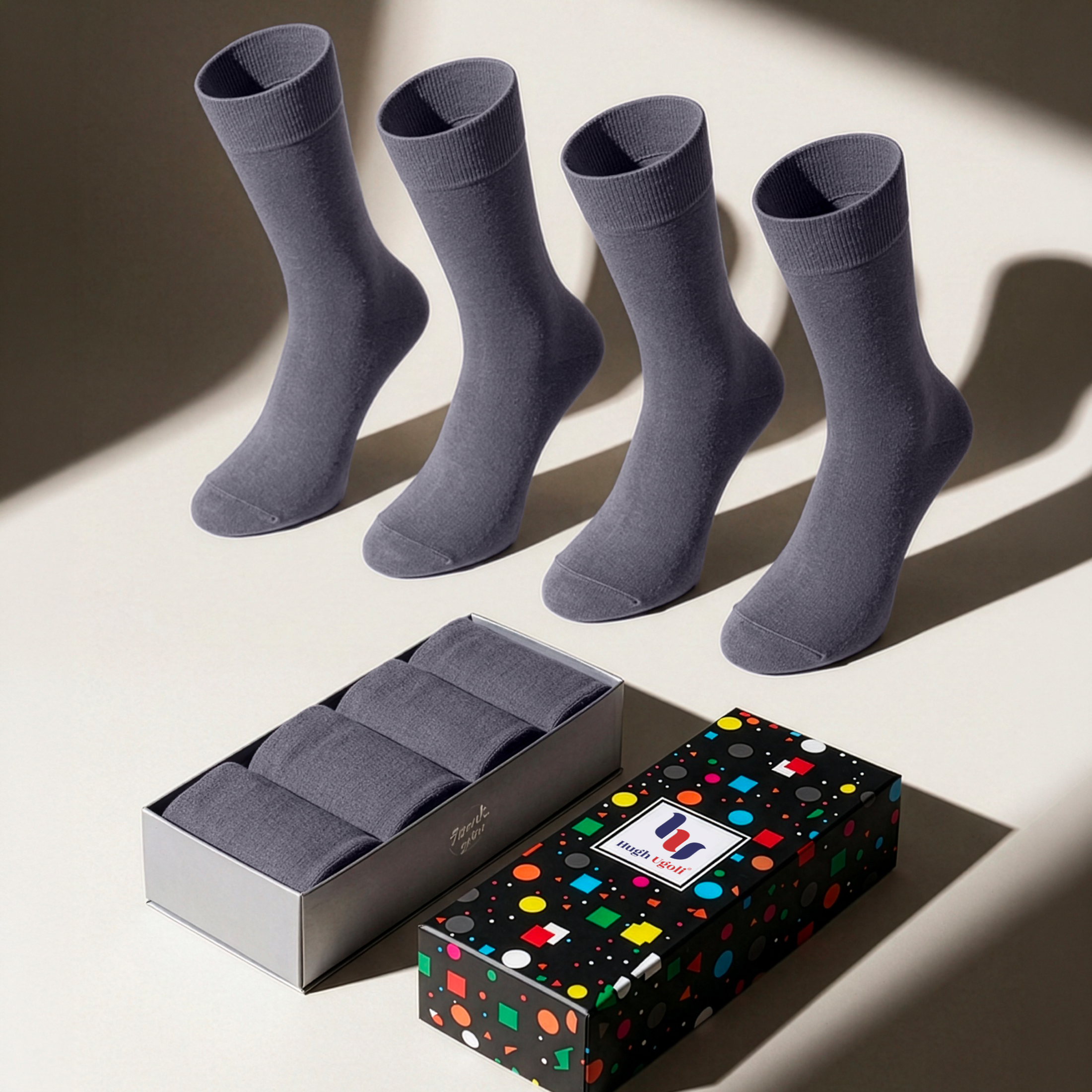
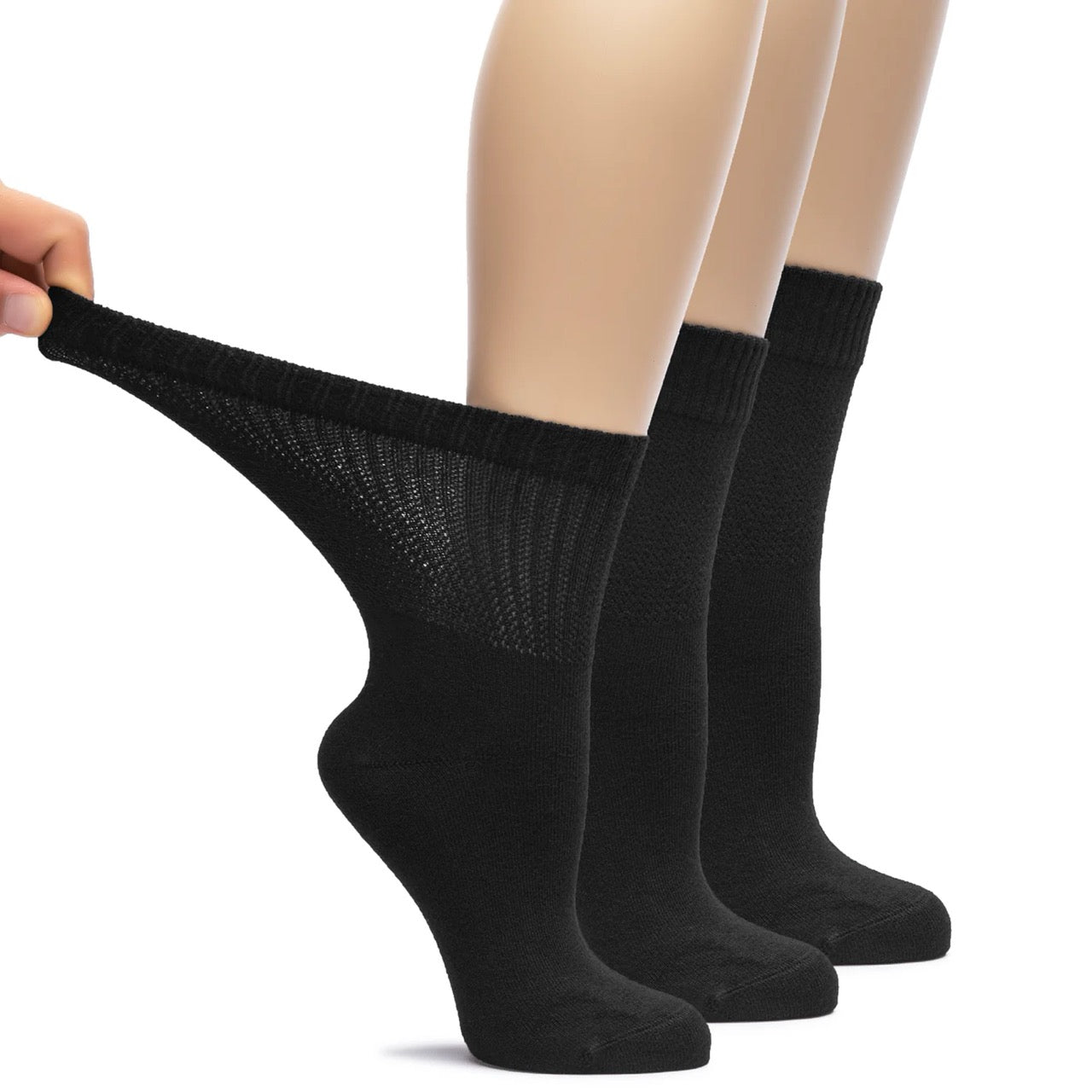
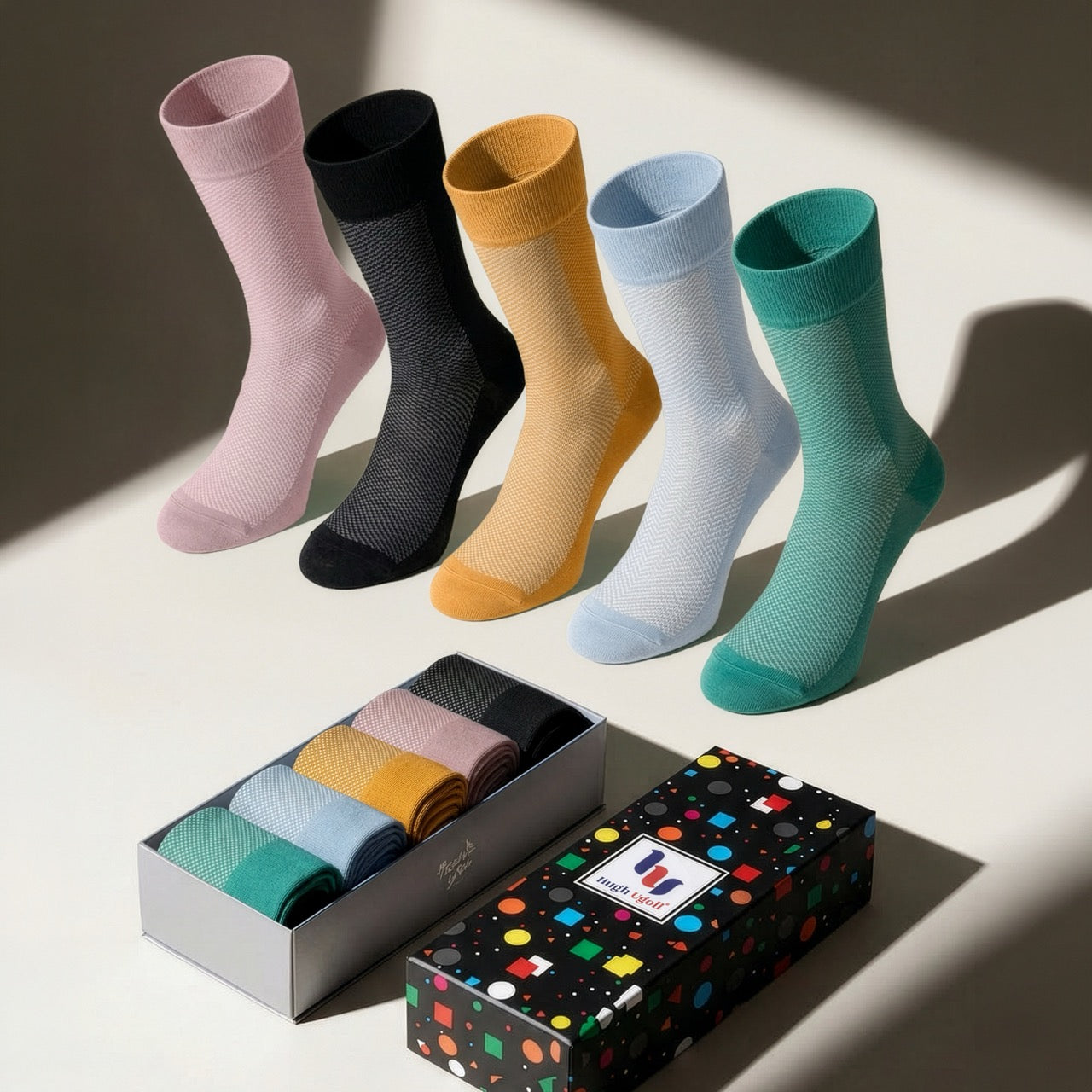
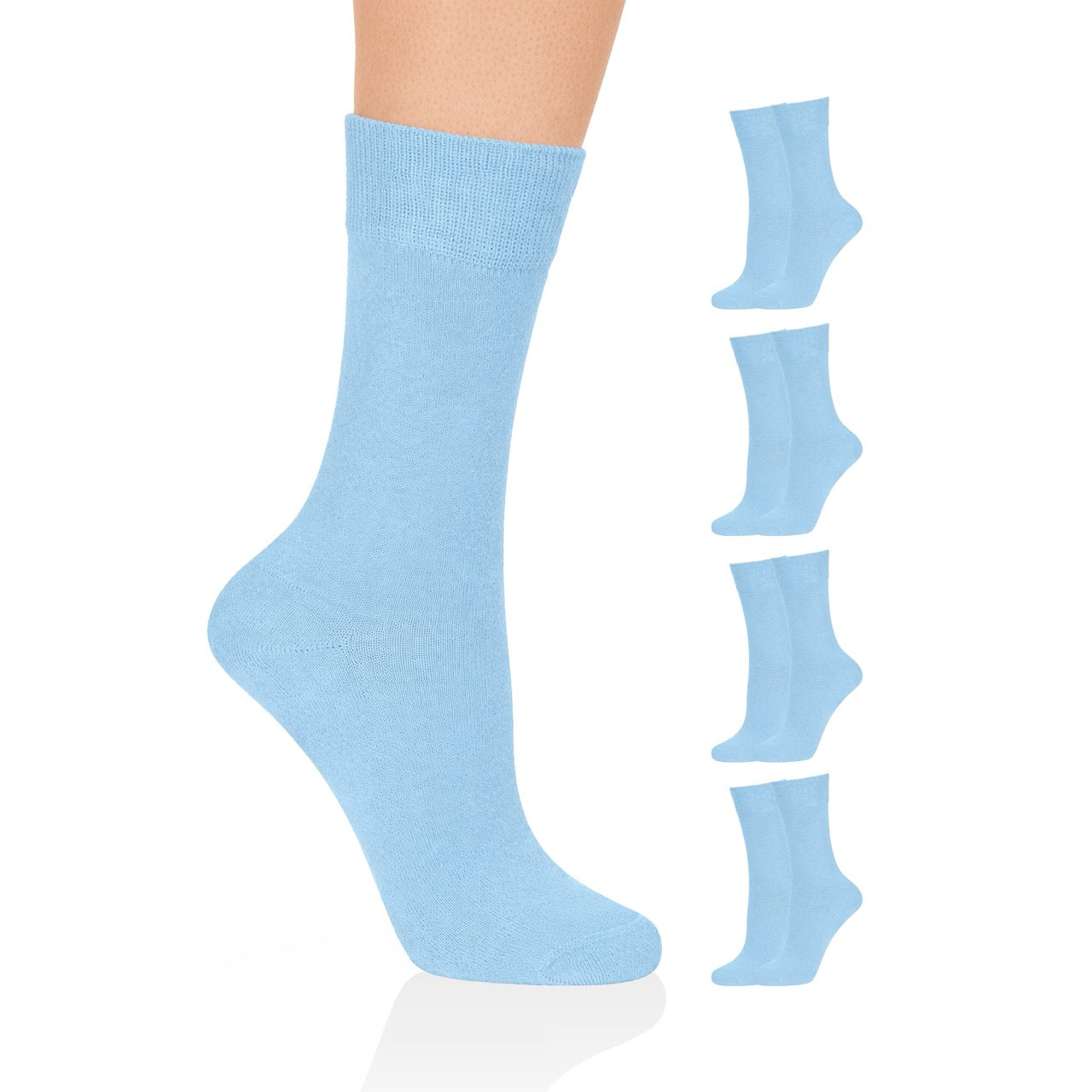
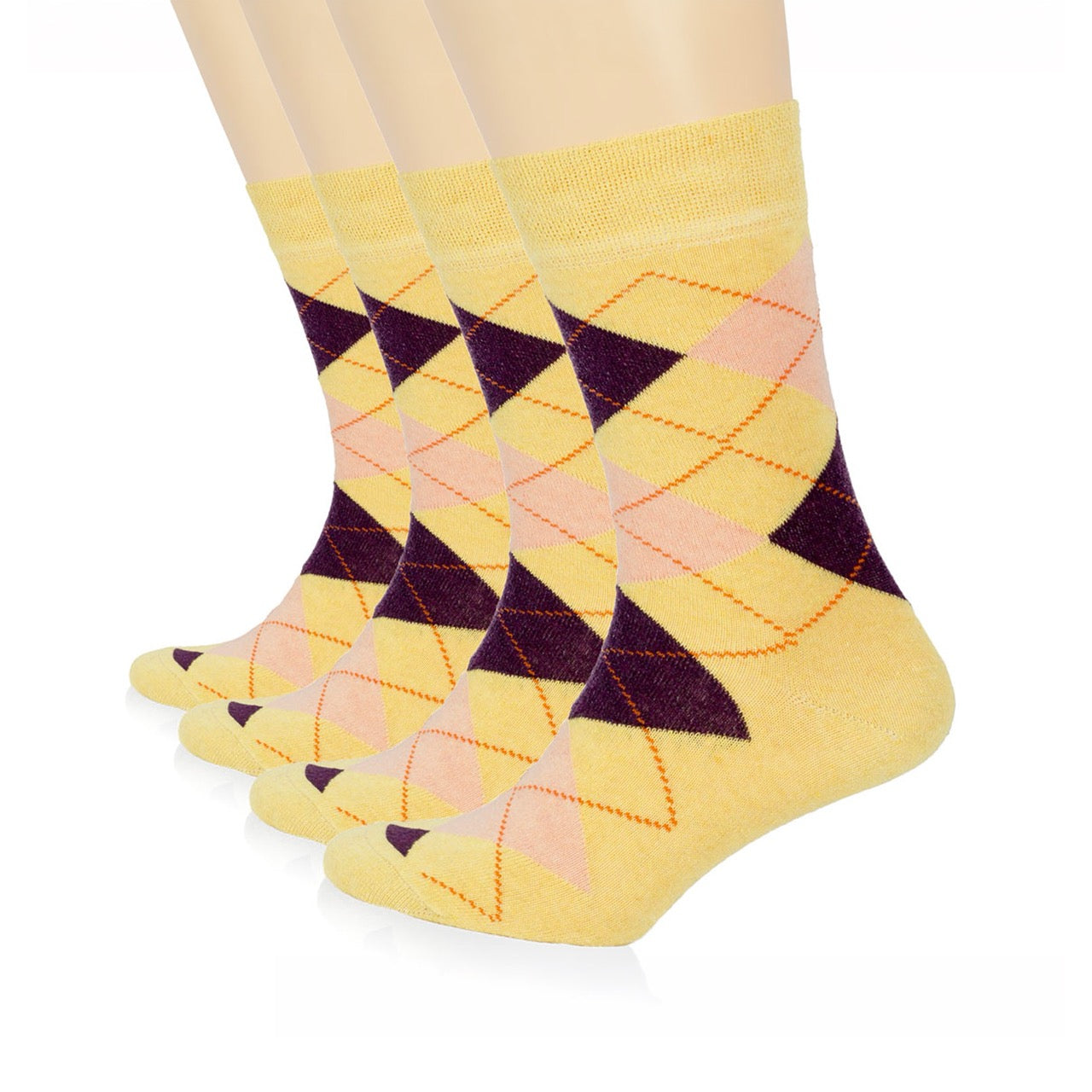
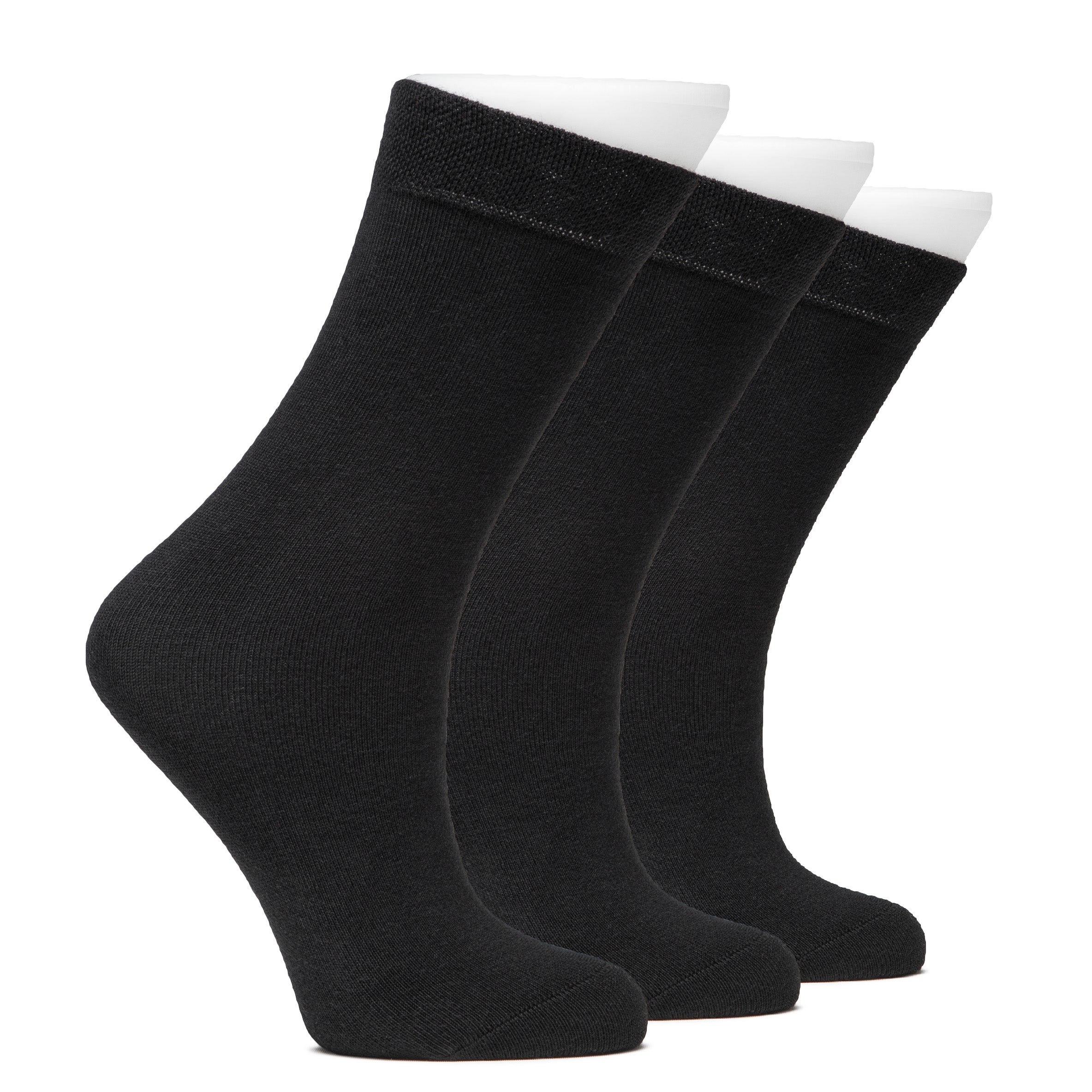
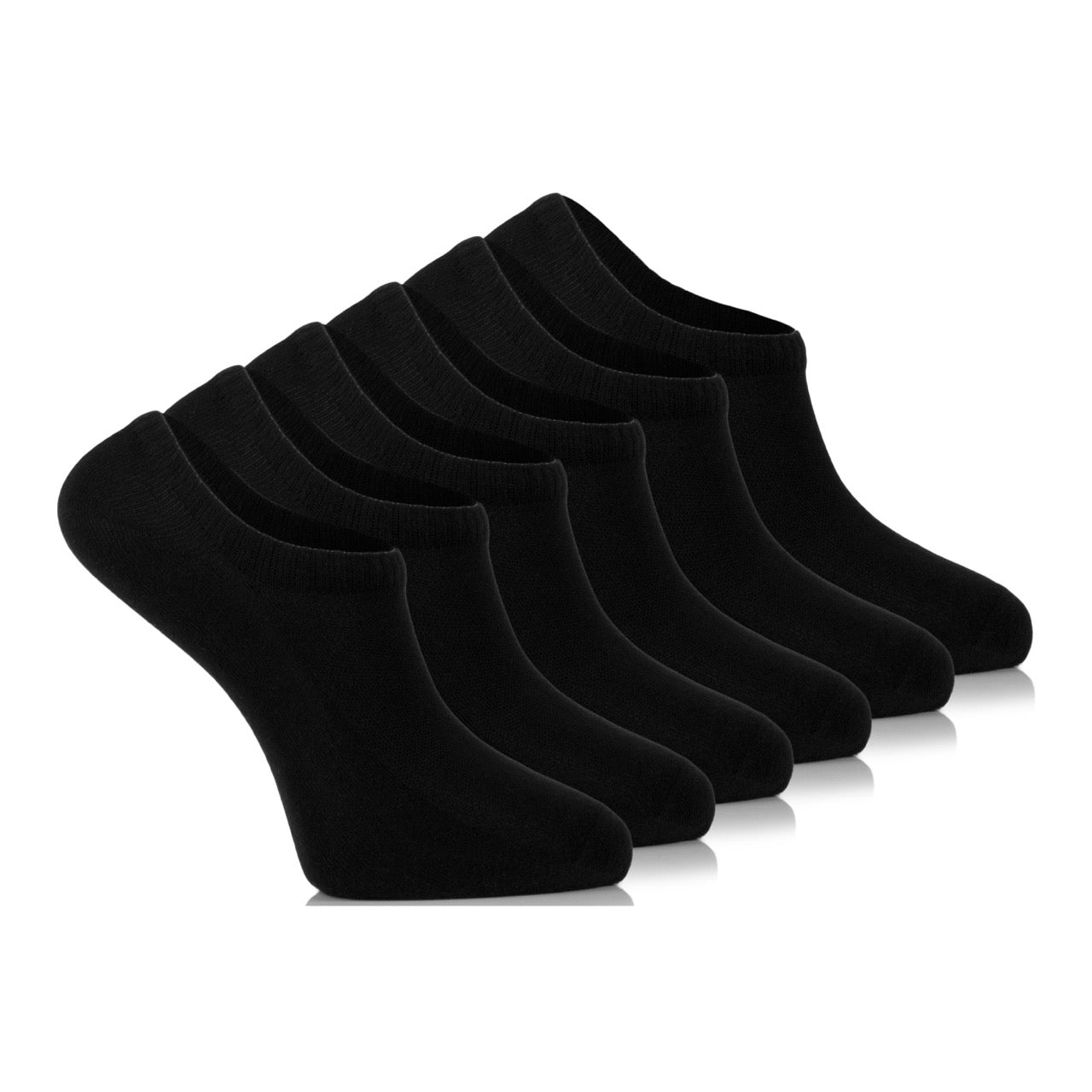
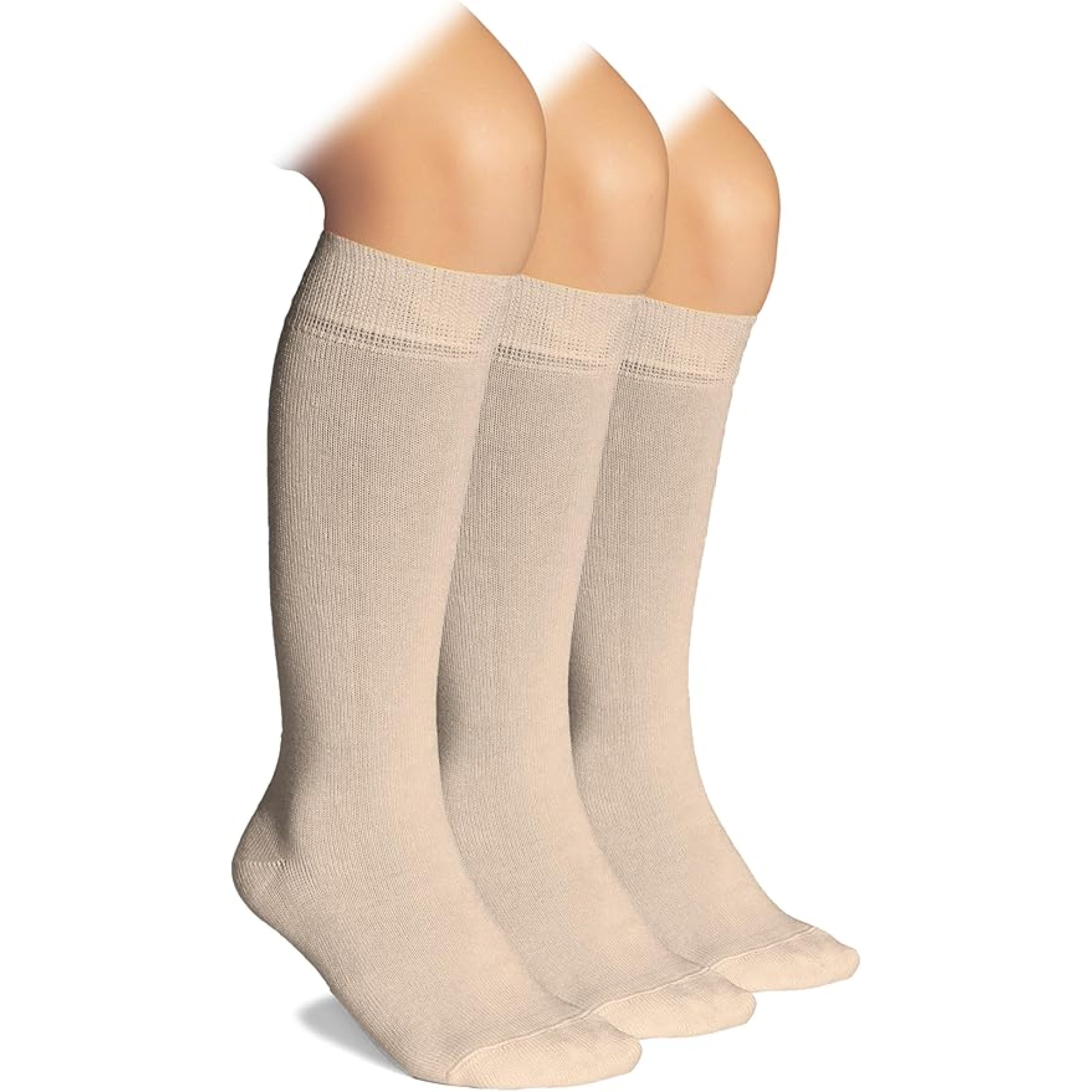


Most advice about athlete's foot concentrates on what you put on your feet after the fact — creams, sprays, powders. Far less attention goes to the thing wrapped around your feet for sixteen hours a day. That is an odd gap, because the fungi responsible for athlete's foot need warmth and moisture to thrive, and your socks are the single biggest influence on how warm and how moist the inside of your shoe stays.
This article covers which fabrics create the conditions fungi favour, which ones work against those conditions, and — importantly — what socks can and cannot do. Let us be clear at the outset: no sock will clear a fungal infection, and no sock makes anyone immune to picking one up. What socks influence is the environment. That is a meaningful but limited role, and it is worth understanding precisely.
Athlete's foot — tinea pedis in clinical terms — is a fungal infection of the skin of the feet, caused by dermatophytes, a group of fungi that feed on keratin in skin, hair, and nails. It is the same family of organisms responsible for ringworm elsewhere on the body, despite the name having nothing to do with worms.
The typical presentation is itching, stinging, or burning that starts between the toes — most often between the fourth and fifth toes, where the gap is narrowest and airflow is worst — along with scaling, peeling, or cracking skin. It can spread to the soles and sides of the feet. Mayo Clinic's overview of athlete's foot describes how the infection typically presents and why closed, sweaty shoes are so strongly associated with it.
Two environmental facts drive everything else in this article. First, dermatophytes favour warm, damp conditions. Second, transmission commonly happens through contact with contaminated surfaces in shared damp spaces — pool decks, locker room floors, communal showers — followed by incubation inside a warm shoe. The CDC's foot hygiene guidance covers this transmission pattern and why keeping feet clean and dry, and changing socks and shoes regularly, are the habits most consistently recommended.
So the question for socks becomes narrow and answerable: which fabrics keep the foot drier, and which keep it damp?
This is the most common problem fabric, and it is in most inexpensive multipacks. Polyester and nylon do not absorb water — which sounds useful, and in technical athletic socks with engineered structures it genuinely is. The problem is that a cheap, densely woven synthetic sock neither absorbs moisture nor moves it anywhere. Sweat has nowhere to go, so it sits as a film against the skin and inside the fabric.
The distinction is worth stating plainly: a well-engineered synthetic sock designed to wick moisture through a structured knit is a reasonable choice. A generic polyester blend chosen because it was cheap to produce is close to the worst thing you can put on a foot that runs damp.
This surprises people, because cotton has a reputation as the natural, breathable option. Cotton is highly absorbent — it will take up a great deal of sweat — but it holds that moisture rather than releasing it, and it dries slowly. A cotton sock that has absorbed a morning's worth of sweat stays damp against the skin for the rest of the day.
For a few hours at a desk this is irrelevant. For an eight-hour shift in closed shoes, or for anyone whose feet sweat heavily, cotton becomes a damp sponge held against the skin — precisely the conditions dermatophytes favour. This is why cotton is often specifically discouraged for people prone to recurrent fungal issues, even though it is a perfectly good fiber in other contexts.
Heavy acrylic thermal socks and thick novelty socks trap heat by design. Warmth is the point of the garment. Combined with a closed shoe, they produce exactly the temperature and humidity profile that favours fungal growth.
Fabric matters less than frequency here. A sock worn two days running is damp for the entire second day regardless of what it is made from. Changing socks daily — and more than once daily if your feet sweat heavily or you exercise — does more than any fabric choice.

Bamboo viscose moves moisture away from the skin and through the fabric where it can evaporate, rather than holding it at the surface the way cotton does. The fiber is also notably fine and smooth, which means less friction against skin that may already be irritated or cracked.
For anyone whose feet run damp, this combination — moisture movement plus low friction — is the practical reason bamboo tends to be a better everyday choice than cotton. Our women's bamboo dress crew socks and men's lightweight bamboo socks are both built around a breathable bamboo knit for this reason. To be precise about the claim: a breathable sock may help keep the foot drier through the day. That is an environmental effect, not a medical one.
Counterintuitively, wool handles moisture well. Merino can absorb a substantial amount of moisture vapour while still feeling dry to the touch, and it releases it steadily. It is a strong choice for cold conditions or long days, though it is warmer than most people want in summer and costs more.
Purpose-built athletic socks using structured synthetic knits do move moisture effectively. They are a legitimate option, particularly for sport. The catch is that "synthetic" tells you nothing on its own — the engineering is what matters, and it is not visible on the label.
A practical shortcut when reading labels: look for a named natural or semi-synthetic fiber at 70–80 percent, with a small elastane share for stretch. A label listing four synthetics in modest percentages usually indicates cost optimization rather than performance design.
Toe box room. The space between the toes is where athlete's foot most often begins, because it is the least ventilated part of the foot. A sock that pulls the toes tightly together reduces what little airflow exists. A roomier toe box helps.
Seamless toe. A raised toe seam creates friction. Skin that is already cracked or scaling does not need additional abrasion, and broken skin is easier for organisms to get through.
Sock height and shoe pairing. No-show socks worn with closed shoes tend to leave more of the foot in direct contact with the shoe lining, which is often the least breathable surface involved. A sock covering more of the foot puts more absorbent material between skin and lining.
A cuff that does not constrict. A tight cuff restricting circulation at the ankle is unhelpful for skin condition generally. Non-binding cuffs avoid this.
Being honest about proportions: sock fabric is a contributing factor, not the main one. These habits carry more weight.
This deserves its own section, because sock marketing in this space is frequently overstated.
A sock cannot clear an existing fungal infection. Athlete's foot is generally addressed with antifungal treatments — over-the-counter preparations for mild cases, prescription treatment where those are not sufficient. Changing your socks while an active infection is present may make you more comfortable and may help keep the area drier, but it is not treatment and should not be substituted for it.
A sock also cannot make you immune. If you walk barefoot across a contaminated locker room floor, the fabric of the socks you put on afterwards is not the deciding factor.
And claims about antimicrobial or antifungal treated socks deserve scrutiny. Some such treatments have measurable effects on odour-causing bacteria; the evidence that they meaningfully affect fungal infection risk in everyday wear is considerably weaker, and treatments often diminish with washing. Treat these as a possible marginal benefit, not a reason to choose one sock over another.
If you have symptoms that are not clearing, are spreading, or are accompanied by significant redness, swelling, or pain, that is a matter for a healthcare provider rather than a shopping decision. This is especially true for anyone with diabetes or reduced circulation, where foot infections warrant prompt professional attention rather than a wait-and-see approach.
Socks made from breathable, moisture-moving fibers are the better everyday choice — bamboo viscose and merino wool both move moisture away from the skin rather than holding it there. Look also for a seamless toe to reduce friction and a roomier toe box to allow some airflow between the toes. The fiber choice affects how damp the inside of your shoe stays, which is one contributing factor among several; it does not make anyone immune.
Cotton is highly absorbent but releases moisture slowly, so a cotton sock that has taken up a day's sweat stays damp against the skin. Since dermatophyte fungi favour warm, moist conditions, that is not ideal for anyone whose feet sweat heavily or who is in closed shoes all day. For short periods or in dry conditions cotton is fine. For long days, fibers that move moisture through the fabric rather than holding it perform better.
No sock prevents athlete's foot. Breathable socks can help keep the foot drier, which addresses one of the conditions the fungi favour, but transmission happens through contact with contaminated surfaces and no fabric changes that. The habits with the largest effect are wearing footwear in communal showers and locker rooms, drying carefully between the toes, changing socks daily, and rotating shoes so each pair dries out fully.
Not necessarily. Washing socks in hot water and drying them thoroughly is generally considered sufficient for most household textiles, and dermatophytes do not survive well on clean, dry fabric. Shoes are the greater concern, since the interior stays warm and damp and is harder to clean. If you have had a recurring problem, discussing shoe treatment options with a healthcare provider or pharmacist is more useful than replacing your sock drawer.
Evidence for treated socks is mixed. Some antimicrobial treatments have measurable effects on odour-causing bacteria, but the case that they meaningfully reduce fungal infection risk in normal daily wear is weaker, and treatments commonly lose effectiveness as the sock is washed. They are best regarded as a possible small bonus rather than a deciding factor. Breathability, daily changing, and shoe rotation are more reliable levers.
Sock fabric influences athlete's foot through one mechanism: how damp the inside of your shoe stays. Cheap non-wicking synthetics and long-worn cotton keep feet wetter; bamboo viscose, merino, and well-engineered technical synthetics keep them drier. That is a real effect and worth acting on, particularly if you are on your feet all day.
But keep the proportions straight. Footwear in communal showers, careful drying between the toes, daily sock changes, and shoe rotation all matter more than which fiber you choose. And if you have an active infection, that needs treatment — socks are about the environment, not the cure.
This article is for general information and is not medical advice. Talk to your healthcare provider about your own feet.
He has been working for more than 20 years in the textile industry and has work experience in many parts of the world.