Cart
0
You may also like
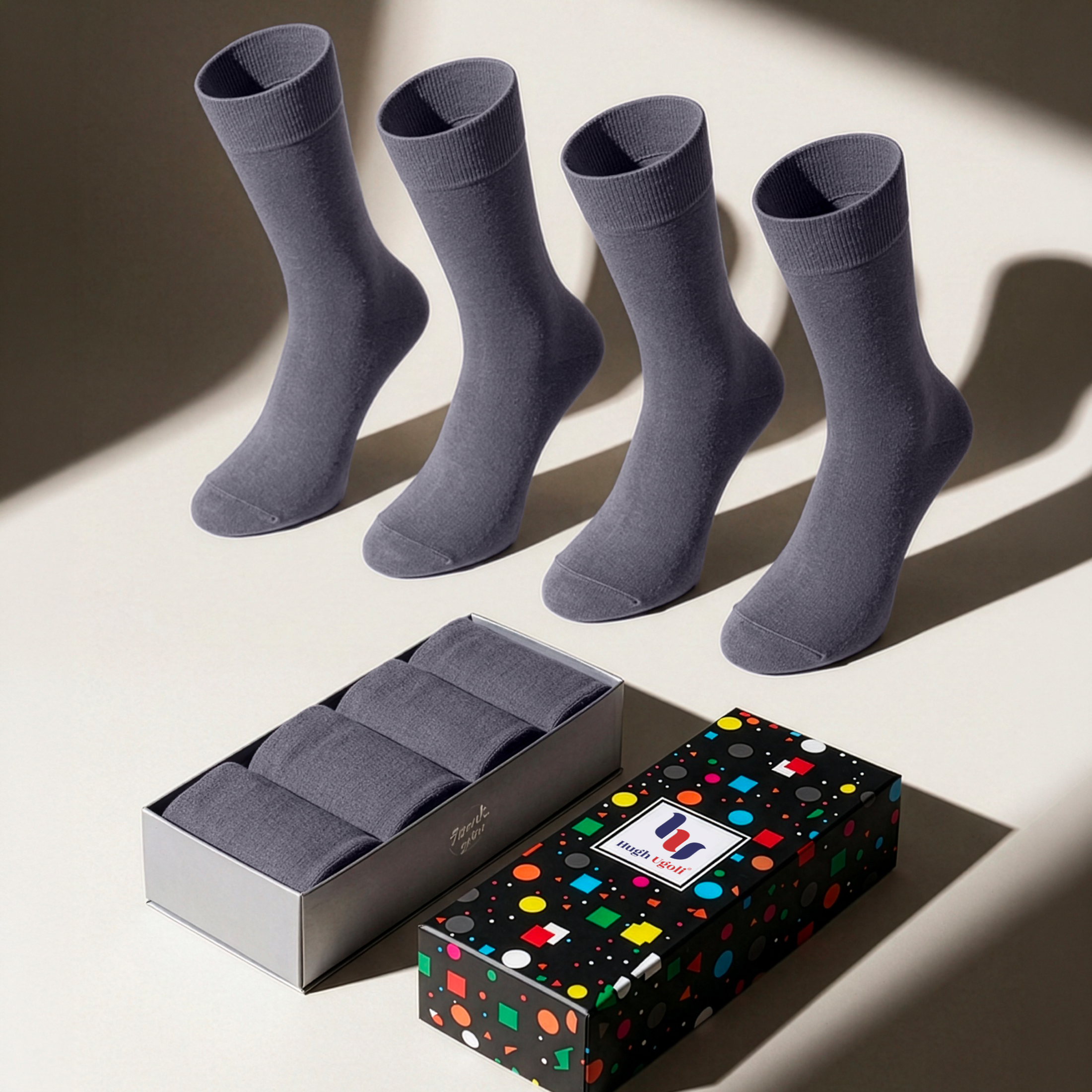
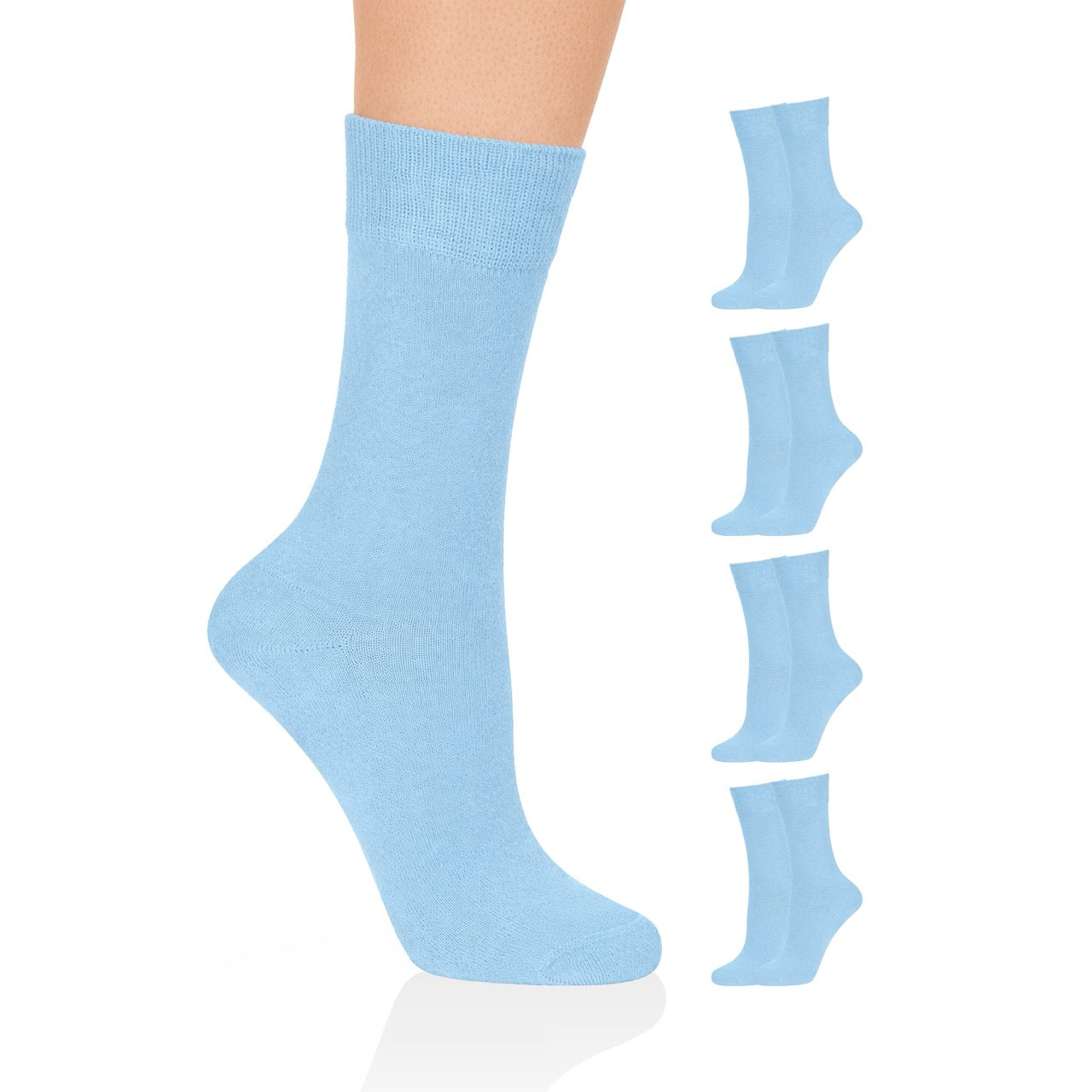
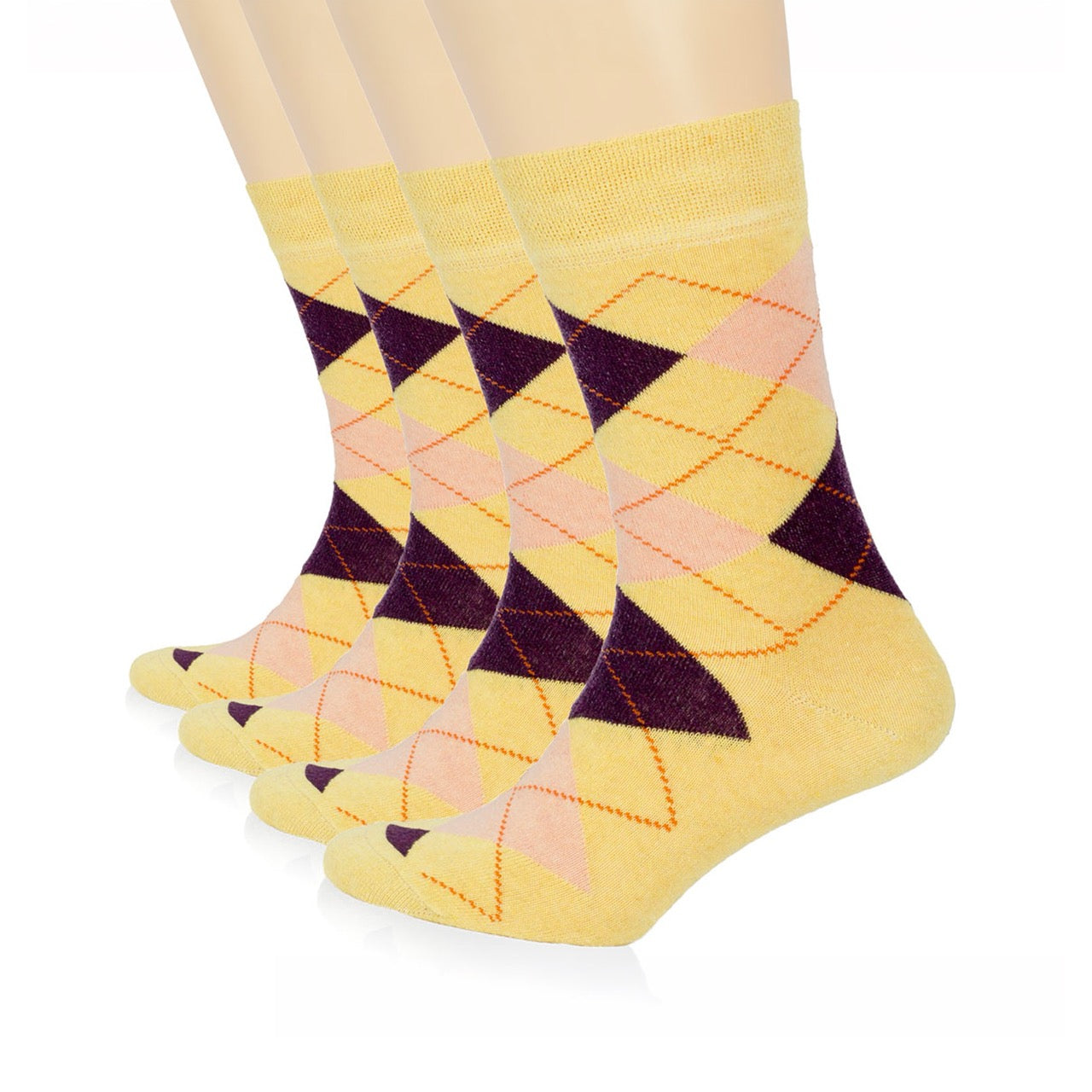
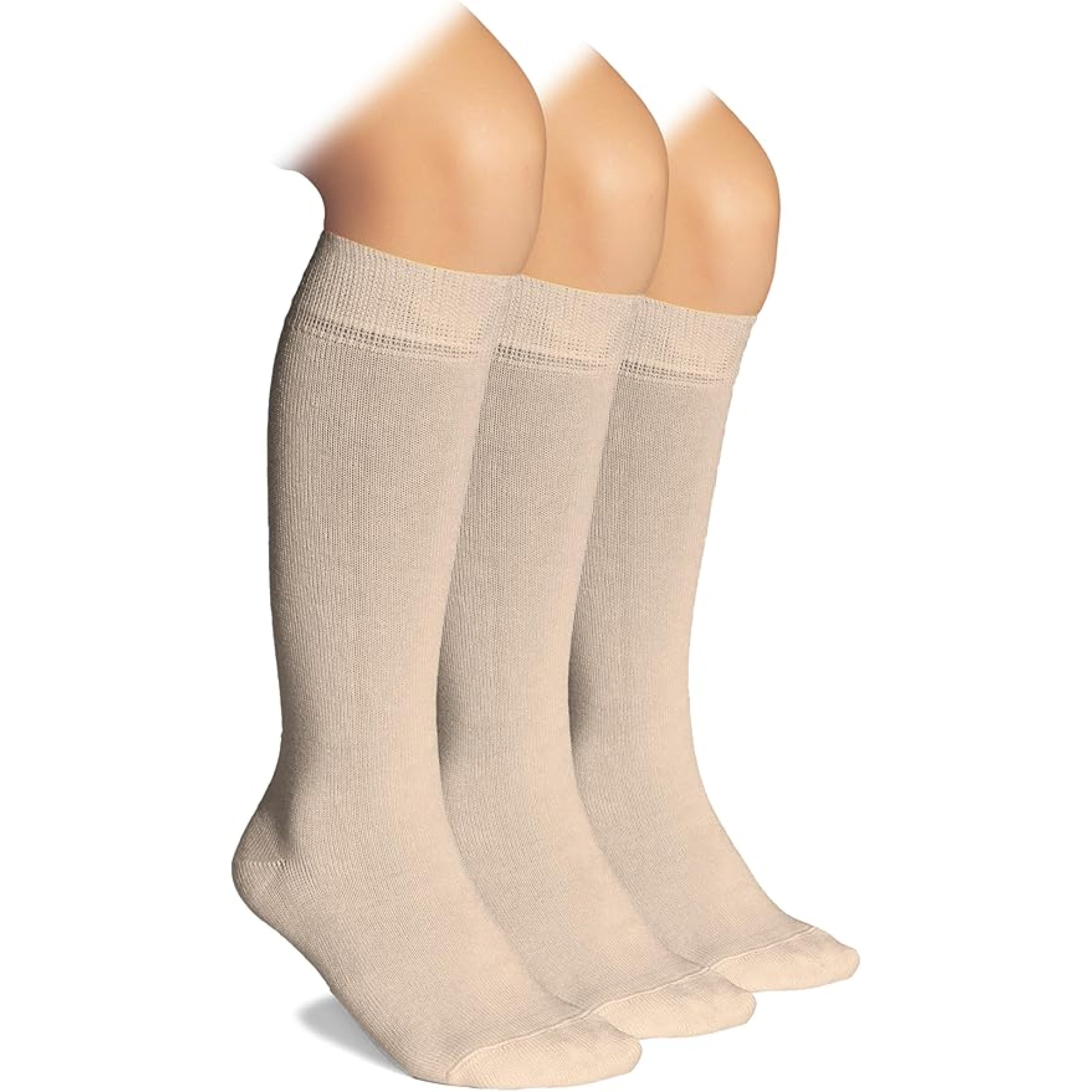


For people with Raynaud's, wool and wool blends generally hold heat best because crimped fibers trap warm air and stay comfortable when slightly damp. Merino and alpaca add softness, bamboo viscose is breathable and good as a base layer, and cotton suits indoor use because it holds moisture. Fit matters as much as fabric: choose a non-binding top, a seamless or flat toe, and shoes with room for the sock. A sock cannot change how blood vessels react to cold, so combine good socks with warm layers and your healthcare provider's advice.
Key Takeaways
If you live with Raynaud's, the first cold snap is not just an inconvenience. Toes that go white, then blue, then throb as they warm up are a regular part of the colder months for many people, and the sock drawer becomes a serious question. Which materials actually hold heat? Is the thickest sock the best one? Does it matter whether a sock is wool, cotton, bamboo or a blend?
This guide explains how Raynaud's affects the feet, what to look for in socks, and how the common fibers compare for people who struggle with cold feet. It is based on how fibers behave and on general guidance from health organizations, and it is meant to help you shop and dress more comfortably. It is not a substitute for advice from your own healthcare provider, who knows your history.
Raynaud's phenomenon is a condition in which the small blood vessels in the fingers and toes narrow more than they should in response to cold or stress. According to the National Institute of Arthritis and Musculoskeletal and Skin Diseases (NIAMS), part of the National Institutes of Health, this reduced blood flow can leave the affected fingers and toes cold and numb, and the skin often changes color, usually to white or blue. The Mayo Clinic describes similar signs and notes that the areas may throb, tingle or swell as they warm up and blood flow returns.
Two forms are commonly described. Primary Raynaud's occurs on its own, while secondary Raynaud's is linked to another underlying condition and tends to be more severe. A healthcare provider can help work out which applies to you. What both have in common is a strong reaction to cold, and for many people stress and certain triggers such as nicotine can also bring on an episode.
Hands get most of the attention, but feet are in a harder position. They sit at the far end of the circulation, close to cold floors and often inside shoes that stay damp from sweat. A cold, damp foot is exactly the situation in which narrow blood vessels are likely to react. That makes the sock you choose, along with the shoe around it, part of your daily comfort strategy.

It helps to be realistic. A sock does not change how your blood vessels behave. What a good sock can do is slow the loss of heat from your feet, keep skin dry so that moisture does not chill you, and avoid squeezing the foot or ankle in ways that could make circulation worse. Think of socks as one layer in a larger plan that includes warm clothing, appropriate shoes and the guidance of your healthcare provider.
The Raynaud's Association offers a range of practical resources for living with the condition, and staying warm overall, not just in the hands and feet, is a recurring theme. Keeping your core warm with layers and a hat matters because the body tends to protect its center first.
Thickness is not on that list by itself. Thickness contributes to insulation only if the sock still fits comfortably in your shoe. If a thick sock makes the shoe tight, you may lose more warmth than you gain.
Wool is the classic answer for cold feet. Its fibers are crimped, which creates tiny pockets of air that act as insulation, and wool can feel comfortable even when it has taken up a little moisture. Many people with cold feet find a wool or wool-blend sock their warmest option for outdoor days. The trade-offs are that some wool can feel scratchy on sensitive skin and needs gentle washing to avoid shrinking. If you find wool irritating, wearing a thin bamboo or cotton sock underneath often solves the problem. Our warm wool crew socks for women are a good example of a crew-height option for chilly days.
Finer wools such as merino, and animal fibers such as alpaca, are often softer against the skin and are popular for people who find regular wool itchy. We compared them in detail in our guide to alpaca vs merino socks and which is warmer for the price. The main point for Raynaud's is that these fibers combine good insulation with a softer feel, but they usually cost more and require careful laundering.
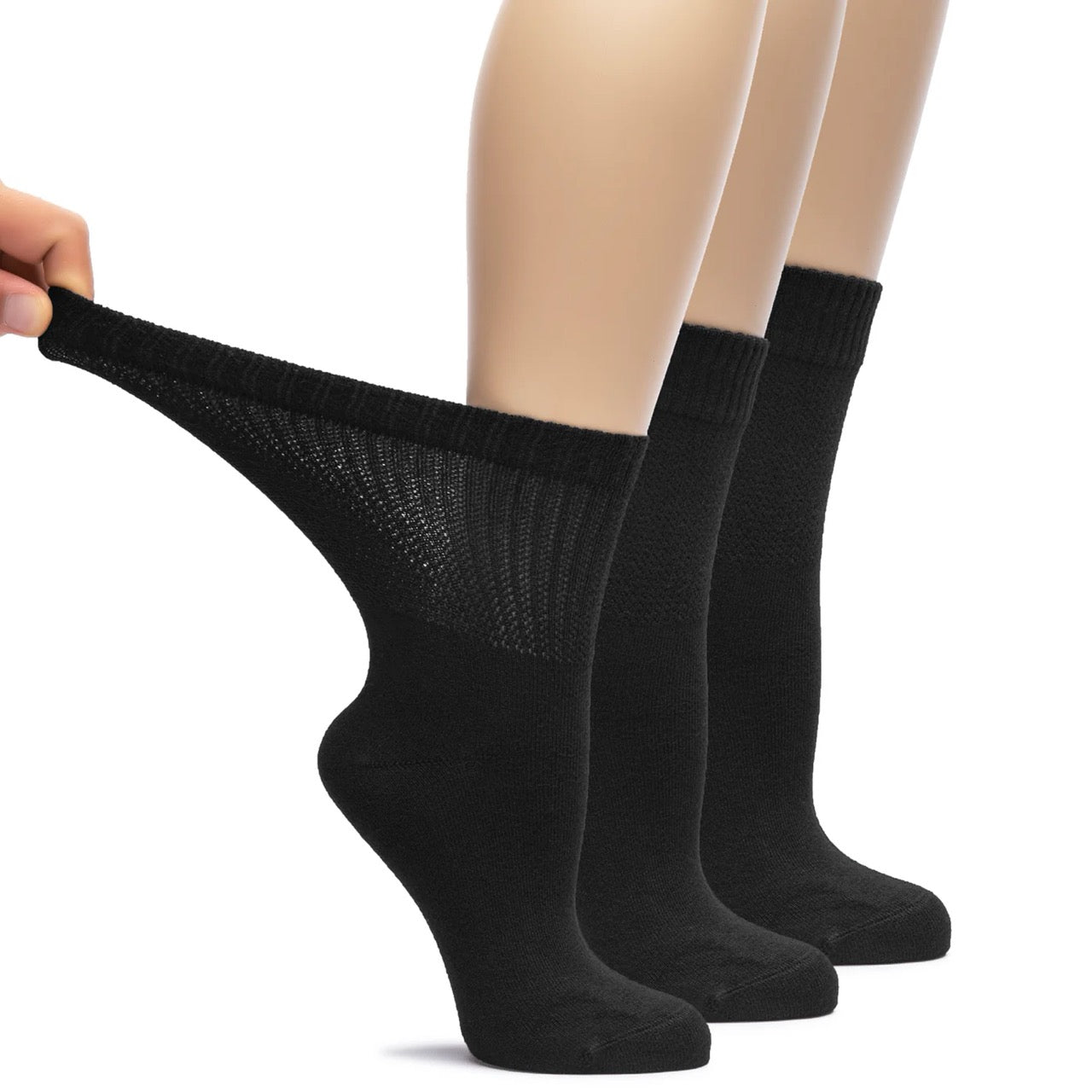
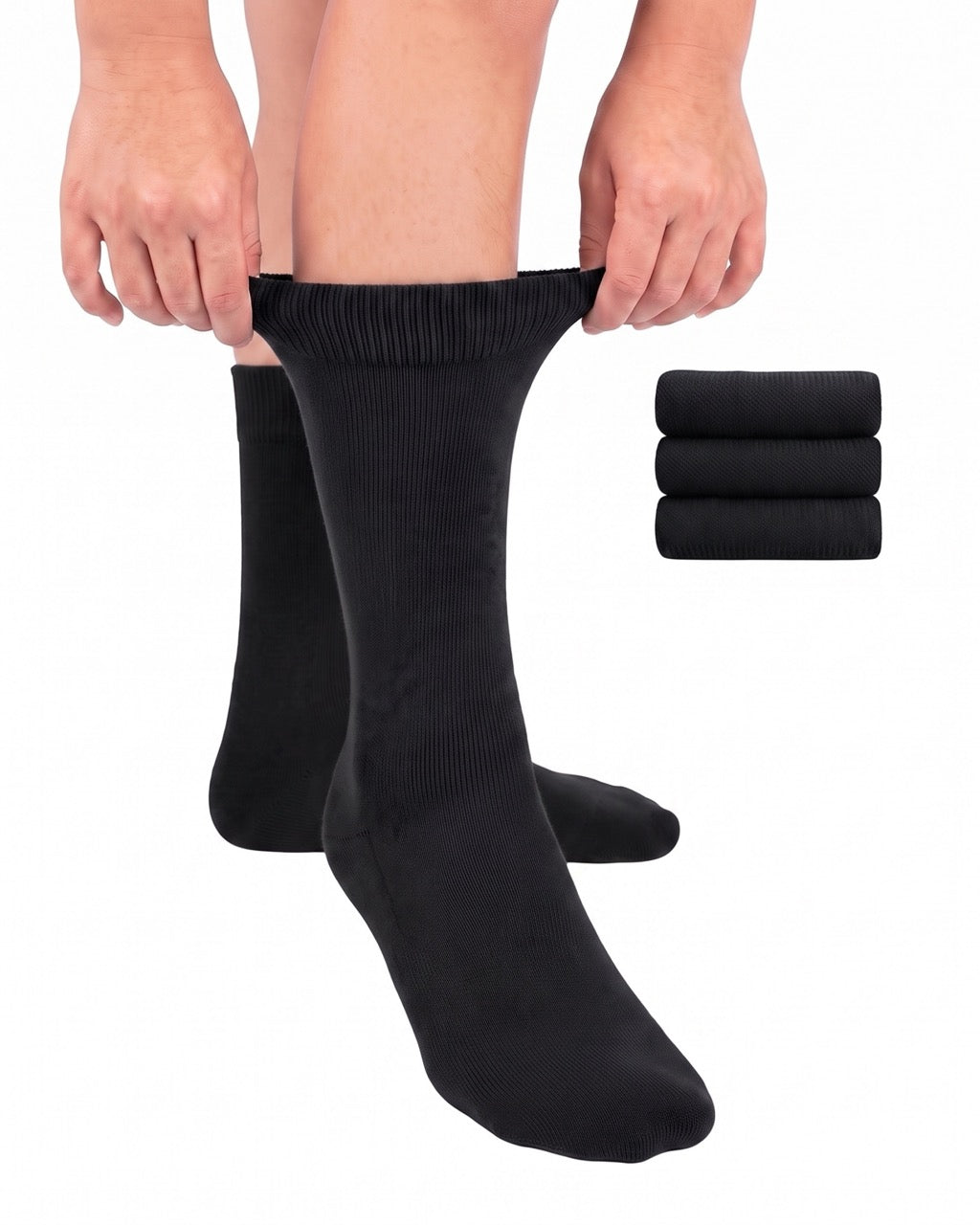
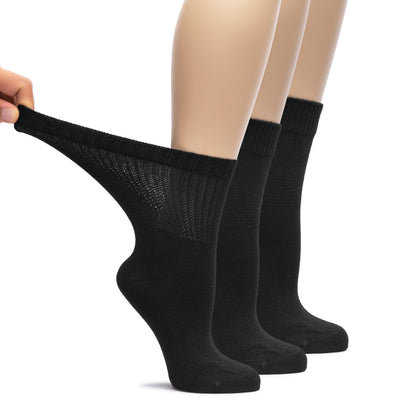
Bamboo viscose is soft, smooth and breathable, and it moves moisture away from the skin well. It is not as insulating as wool for the same thickness, but for people who spend a lot of time indoors or who sweat easily, a mid-weight bamboo sock can be a comfortable everyday choice and a good base layer under something warmer. Bamboo socks also tend to have a gentle, non-scratchy feel, which suits sensitive toes. If you are looking for an option with a relaxed, non-binding top, our bamboo crew socks with a non-binding top were designed for people who need comfort without constriction.
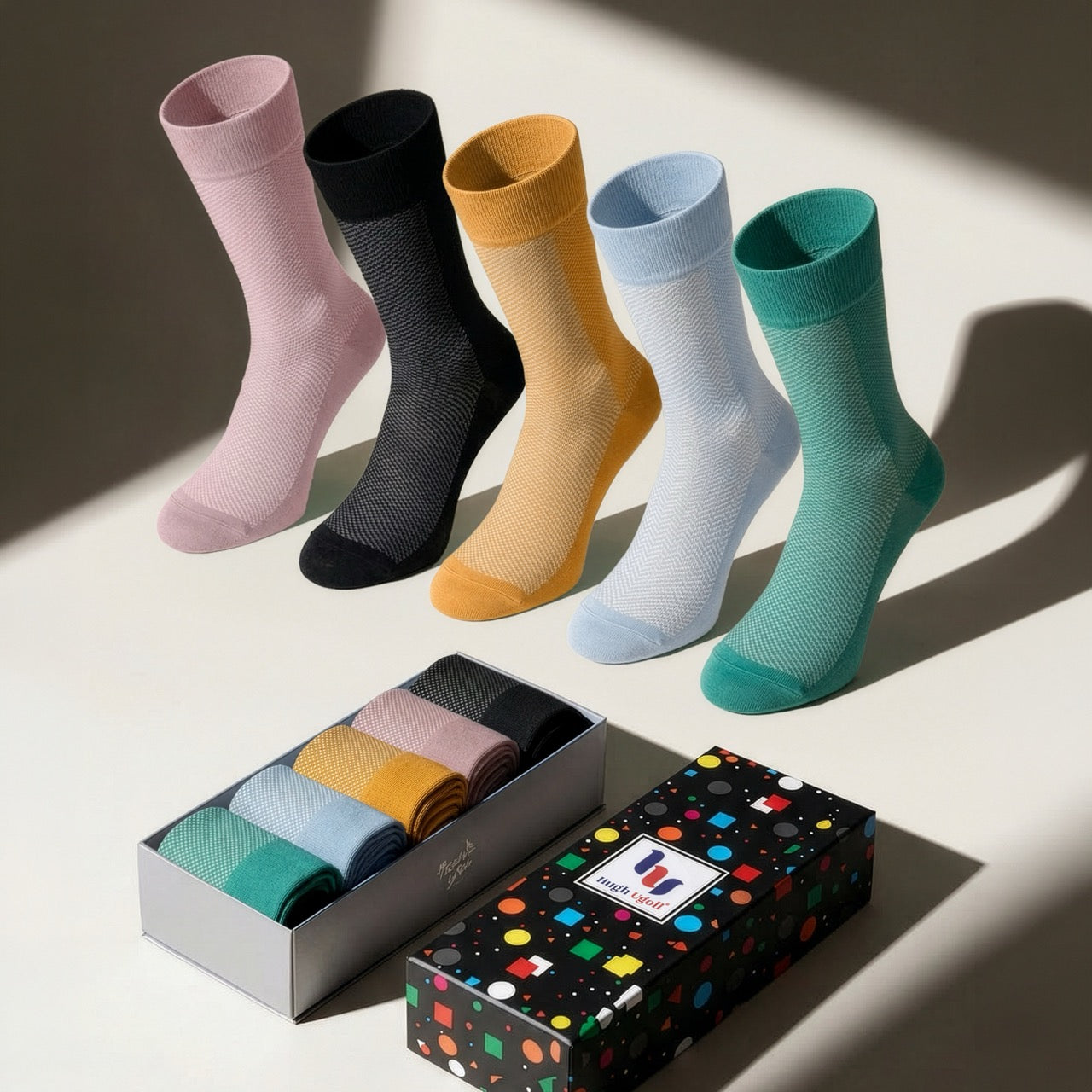
For a lighter everyday option, our women's bamboo dress crew socks make a soft base layer under wool.
Cotton is soft and breathable, but it absorbs and holds moisture. In mild, dry conditions it is comfortable. In cold, damp conditions, or when your feet sweat a lot, damp cotton can leave feet feeling cold. For Raynaud's, cotton works best as an indoor sock or as a thin layer worn under wool, not as the only layer on a freezing day.
Polyester, nylon and similar fibers are used in most socks in small amounts to add stretch, durability and shape retention. Some performance socks use a high percentage of synthetics to dry quickly. Synthetic-heavy socks can work well for active outdoor days, but they can feel less breathable and sometimes cause more sweat for people whose feet run warm indoors.
| Material | Heat retention | Moisture handling | Softness | Best use for cold feet |
|---|---|---|---|---|
| Wool | High | Good | Varies; can be scratchy | Outdoor days, cold rooms |
| Merino / alpaca | High | Good | Soft | Sensitive skin, cold days |
| Bamboo viscose | Moderate | Good | Very soft | Everyday wear, base layer |
| Cotton | Low to moderate | Absorbs, dries slowly | Soft | Indoors, thin liner |
| Synthetic blend | Moderate | Dries quickly | Varies | Active outdoor use |
It is tempting to treat warmth as a question of fiber alone, but fit can undo the best material. A sock with a tight cuff can leave a groove around the calf. A sock that is too small stretches thin and loses insulation. A sock that is too big bunches up and creates pressure points. If you have Raynaud's, look for these features:
Many people with cold-sensitive feet find that layering gives the most flexibility. A few combinations to consider:
Socks are only one part of staying comfortable. General guidance from the organizations mentioned above often includes the following ideas, and your healthcare provider can tell you which apply to you.
The sock sits inside a shoe, and that shoe matters just as much. Look for footwear with a roomy toe box, a lining that does not hold moisture and a sole that insulates from cold ground. Leather and fabric shoes that are slightly larger than usual give space for a warmer sock without cramping the toes. If you wear boots, our guide to boot season prep and sock sizing explains how to check fit with the socks you actually plan to wear.
Washing habits affect how well socks keep you warm. Wash according to the label, use mild detergent, avoid fabric softener, and dry wool flat or on low heat. Replace socks when the heel thins out or the cuff loses its stretch, since worn socks provide less insulation.
Some people with cold-sensitive feet find that a loose, soft pair of socks helps them fall asleep more comfortably. If you try it, choose a breathable fiber such as bamboo or a fine wool, make sure the cuff does not squeeze, and avoid anything with tight elastic. Skip heating pads or hot water bottles against numb feet, since you may not feel a burn. If night-time symptoms are a problem, mention them to your healthcare provider.
This is a question for your provider. Compression socks are designed for specific circulation needs and are not automatically suitable for everyone, particularly if you have reduced blood flow to the feet. A sock that squeezes the leg can be uncomfortable if you have Raynaud's, so ask before trying one.
Battery-heated socks are popular with people who spend long periods outdoors in the cold. If you try them, remember that numb feet may not register overheating, so keep the setting low and check your skin regularly. Standard insulating socks are the safer starting point for everyday use.
Enough to rotate. Having four to six pairs of warm socks means you are never forced to wear a damp pair, and rotating lets elastic recover between wears so socks keep their fit for longer.
Raynaud's can be a mild nuisance for some people and a more serious problem for others. The Mayo Clinic advises seeking medical attention promptly if you have a history of severe Raynaud's and develop a sore or an infection on an affected finger or toe. You should also talk to a provider if episodes are becoming more frequent or severe, if they affect only one side, if they started later in life, or if they come with other symptoms such as joint pain, skin changes or rashes. A provider can check for an underlying cause and discuss options that go beyond clothing, including medication when appropriate.
If you also have diabetes, neuropathy or circulation problems, checking your feet daily becomes even more important, because reduced sensation can hide small injuries. Look for socks designed for sensitive feet, such as our diabetic socks for women and diabetic socks for men, which are designed with non-binding tops and seamless toes.
When you have Raynaud's, the warmest sock is the one that holds heat, keeps skin dry and leaves your circulation room to do its job. Wool and wool blends tend to offer the best insulation, bamboo viscose is a soft and breathable partner, cotton works best indoors or as a liner, and every material works better with a non-binding fit and a roomy shoe. Combine good socks with layers, warm indoor habits and regular check-ins with your healthcare provider, and the colder months become much easier to manage.
This article is for general information and is not medical advice. Talk to your healthcare provider about your own feet.
Many people find wool or wool blends warmest for cold days, with a soft bamboo or cotton liner underneath. Choose a non-binding top, seamless or flat toes, and a size that leaves room in your shoes.
Only if they fit comfortably. A thick sock squeezed into a snug shoe can lose insulation and press on the toes, which may leave feet colder. Fit and moisture handling matter more than thickness.
Bamboo viscose is soft, breathable and moves moisture away from the skin, but it insulates less than wool. It works well as everyday wear or as a base layer under a warmer sock.
Some people find loose, soft socks comfortable at night. Avoid anything tight, and avoid heating pads on numb feet. Ask your healthcare provider what suits you.
Talk to a provider if episodes become frequent or severe, affect one side, start later in life, or come with joint pain or rashes. Seek care promptly for a sore or infection on a toe.


Discover All Hugh Ugoli Socks
Shop All Socks