Cart
0
You may also like
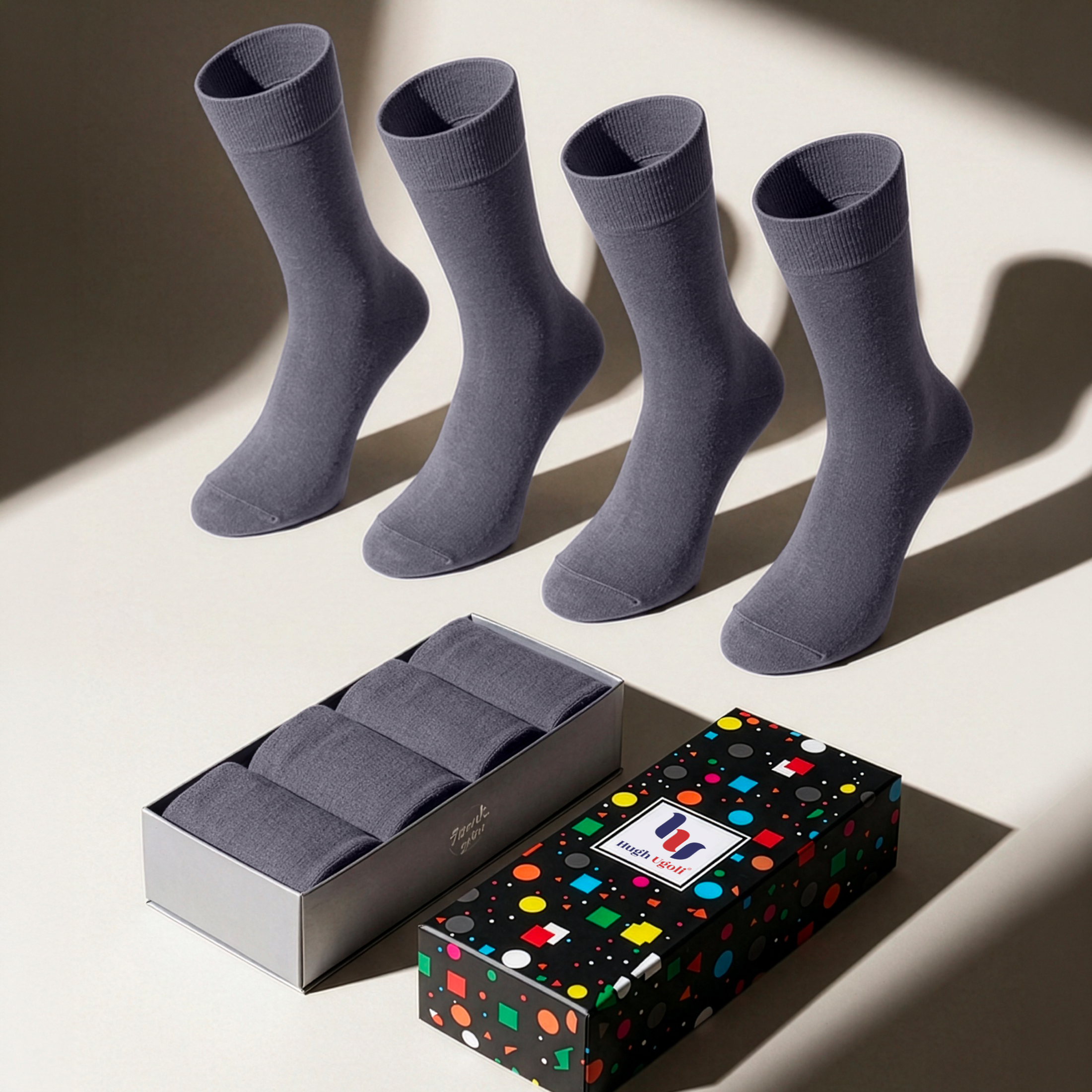
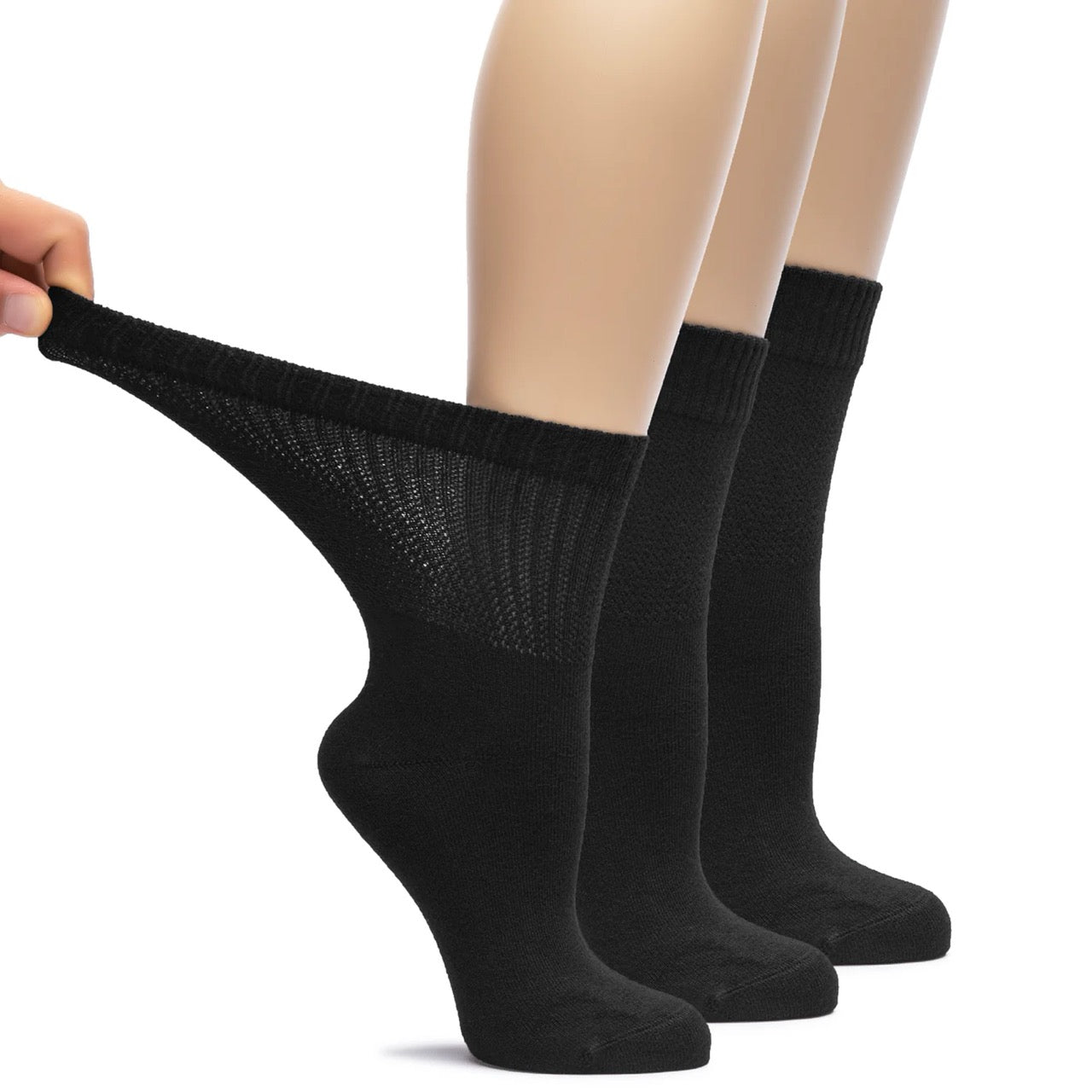

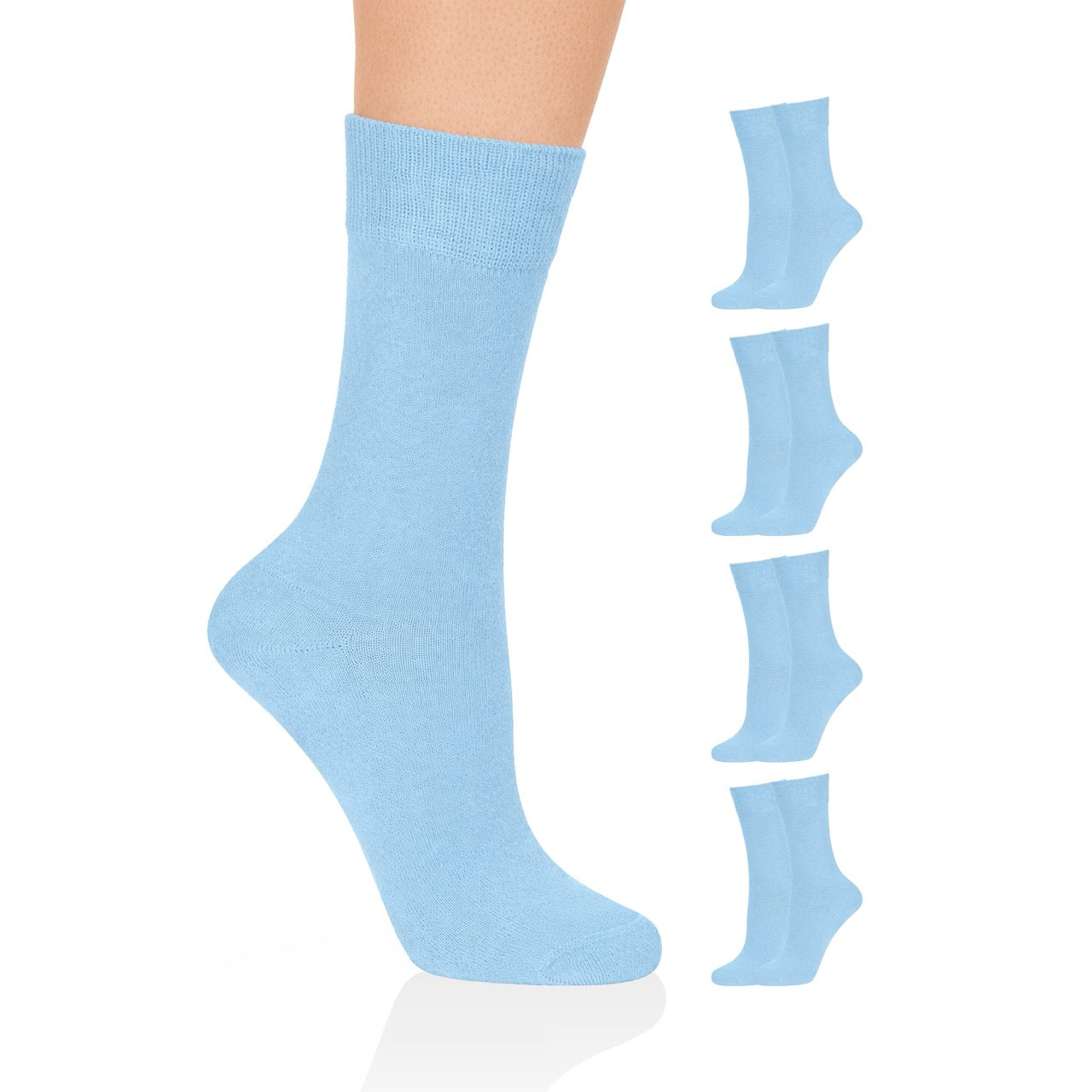
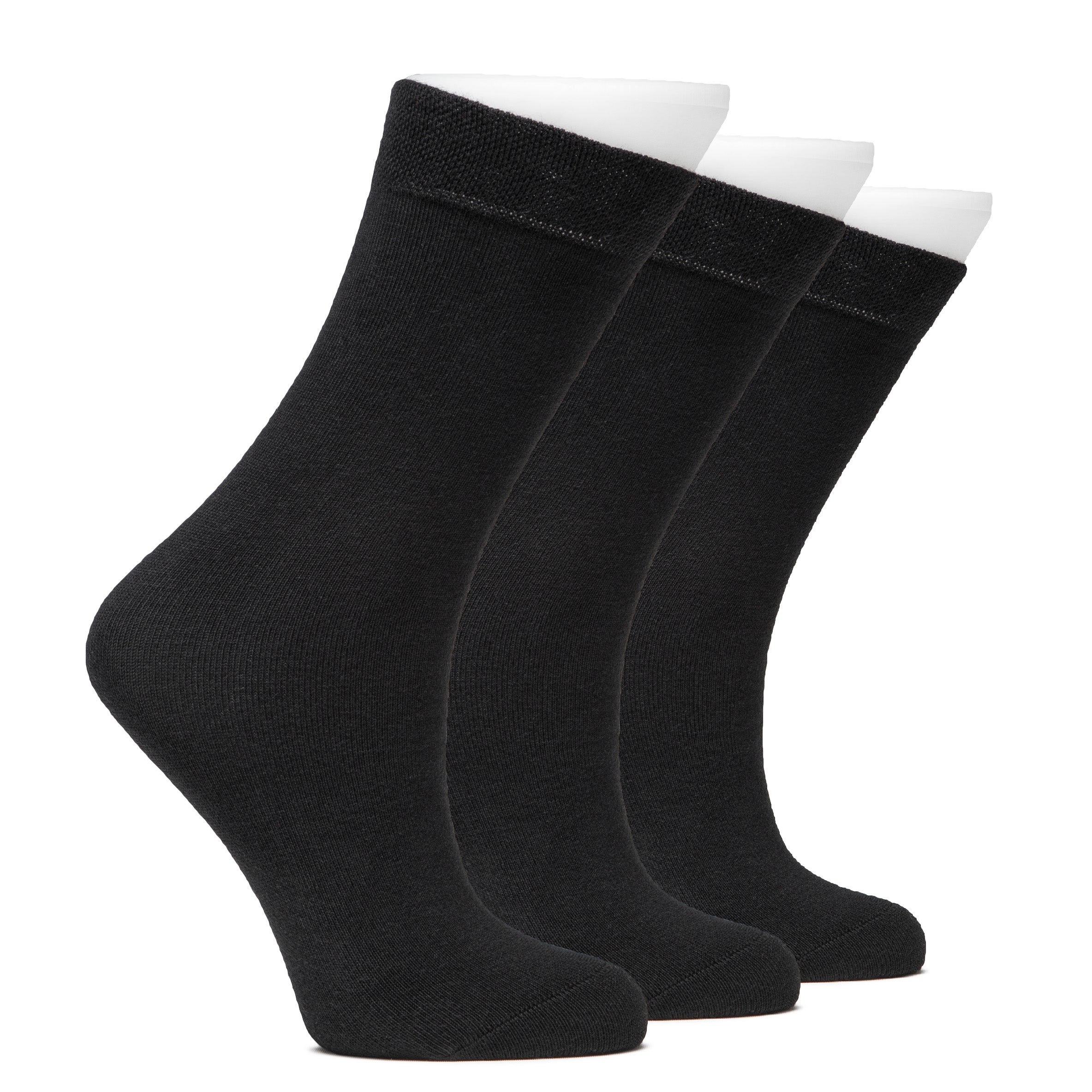
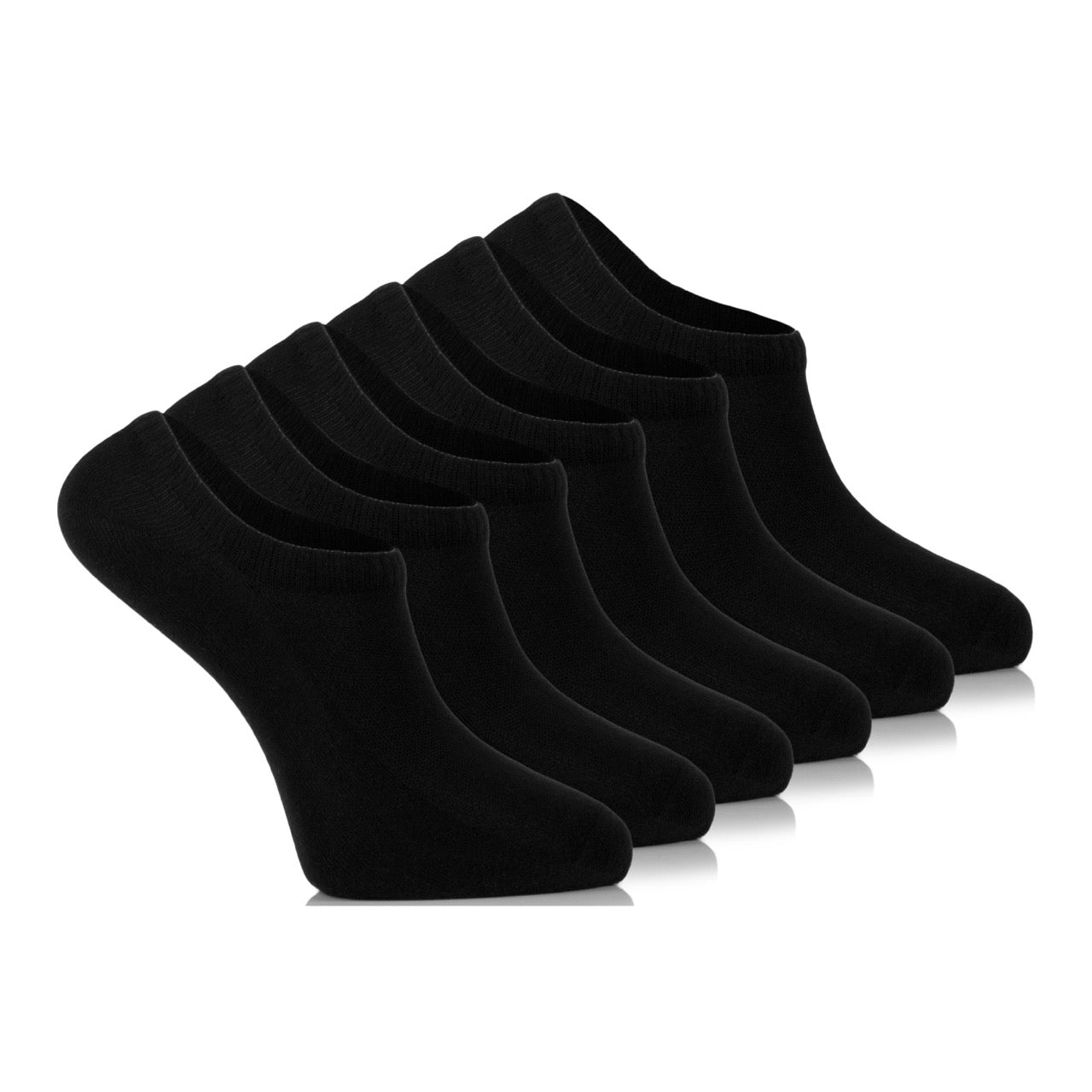
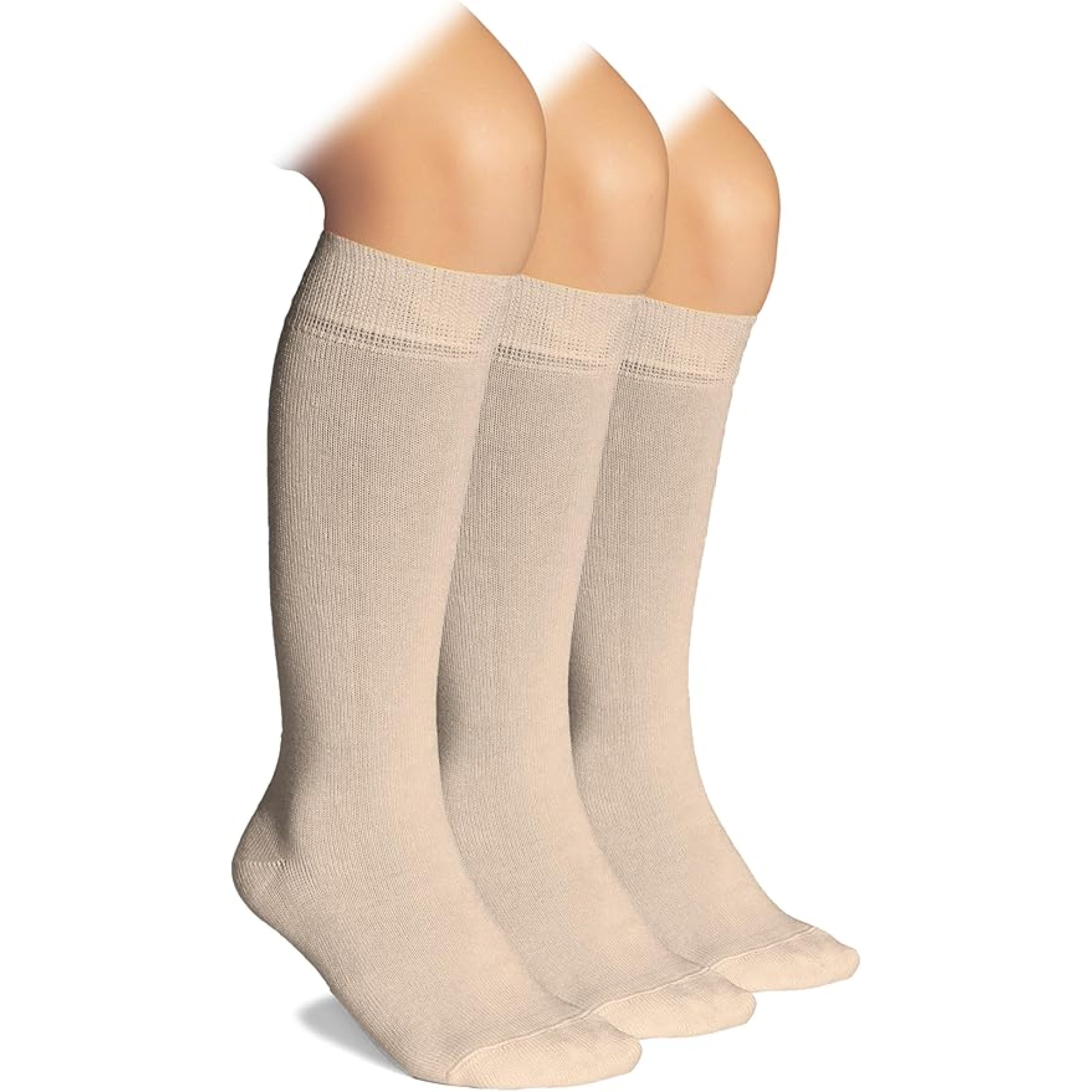


When it comes to foot comfort and long-term foot health, socks play a more important role than most people realize. Non-binding socks are widely recommended in diabetes and foot-care guidance because they are designed to reduce pressure around the legs and support healthy blood circulation. Unlike traditional socks with tight elastic bands, non-binding socks provide a secure yet gentle fit that does not constrict the skin.
For individuals dealing with circulation concerns, sensitive skin, or specific foot problems, the right type of socks can make a significant difference. Understanding why non-binding socks are so consistently recommended in foot-care guidance can help you make better choices for everyday comfort and overall well-being.
Non-binding socks are socks designed without tight, restrictive cuffs. Instead of using strong elastic bands that grip the leg firmly, these socks feature a more flexible structure that stays in place without creating pressure points.
Traditional socks often rely on tight elastic bands to prevent slipping. While this design keeps the socks secure, it can also create discomfort by compressing the skin. In contrast, loose fit socks are engineered to remain comfortable while still maintaining their position throughout the day.
Many non-binding socks are also referred to as diabetic socks because they are commonly recommended for people who need extra care in maintaining proper blood flow and reducing irritation.
Socks with binding tops can create unnecessary pressure around the ankle or calf. Over time, this pressure may affect blood circulation, especially for individuals who already have circulation concerns.
When elastic bands are too tight, they may restrict blood flow in the lower legs. This can lead to discomfort, swelling, or visible marks on the skin. In some cases, prolonged pressure may worsen existing conditions such as varicose veins or increase sensitivity in the skin.
Additionally, binding socks can create friction against the skin. For individuals with sensitive skin, this may lead to irritation or redness, particularly when socks are worn for long periods.

This isn't just a comfort preference — it's a documented feature in major foot-care guidance. The American Diabetes Association (ADA) identifies proper foot care, including footwear that doesn't restrict circulation, as central to preventing diabetes-related foot complications, and the ADA's clinical Standards of Care in Diabetes include foot examination and footwear guidance as a standard part of diabetes management. Non-binding sock construction has also been recognized by the American Podiatric Medical Association (APMA), whose Seal of Acceptance program evaluates products — including several non-binding diabetic sock lines — for supporting good foot health.
One of the main reasons this feature is emphasized is its effect on blood circulation. By avoiding tight compression at the top of the sock, non-binding designs allow blood to move more freely through the legs. Healthy blood flow is essential for delivering oxygen and nutrients to tissues while also helping remove waste products from the body. When socks do not interfere with circulation, they contribute to overall comfort and reduce the likelihood of swelling or fatigue in the legs.
Unlike compression socks, which are designed to apply controlled pressure to improve circulation, non-binding socks focus on eliminating unnecessary restriction. This makes them suitable for daily wear without applying medical-grade compression.
Non-binding socks are particularly beneficial for individuals who experience foot problems or circulation-related conditions. These socks are designed to minimize pressure and reduce the risk of irritation, which is part of why they show up so consistently in foot-care guidance for people managing diabetes or circulation issues.
For individuals managing diabetes, proper foot care is essential. Diabetic socks often include non-binding designs to protect the skin and support circulation without causing pressure or friction.
It is important to understand the difference between non-binding socks and compression socks. While both types support foot health, they serve different purposes.
Compression socks are designed to apply gradual pressure along the leg to improve blood circulation. They are often recommended for specific medical conditions or situations involving prolonged inactivity, and — unlike non-binding socks — should generally be fitted or approved by a healthcare provider, since compression is not appropriate for everyone (for example, people with certain peripheral arterial disease).
Non-binding socks, on the other hand, are designed to avoid pressure altogether. They provide comfort by ensuring that the top of the sock does not restrict blood flow. This makes them suitable for everyday use, especially for individuals who do not need medical compression but still want to avoid tight socks.
Non-binding socks are a practical choice for a wide range of individuals, and they're specifically highlighted in guidance for:
Even individuals without specific health concerns may benefit from switching to non-binding socks if they prefer a more relaxed and comfortable fit. If you have diabetes, neuropathy, lymphedema, or another condition affecting circulation or sensation, talk to your doctor or podiatrist about what type of sock cuff and compression level, if any, is right for you.
When choosing non-binding socks, certain features can help ensure maximum comfort and effectiveness.
High-quality materials and thoughtful design play a significant role in how well socks perform over time. Socks are designed to balance comfort, durability, and functionality when these elements are combined effectively.
Non-binding socks are widely recommended in diabetes and foot-care guidance because they help reduce pressure, support healthy blood circulation, and improve overall comfort. Unlike traditional socks with tight elastic bands, non-binding socks provide a secure fit without creating pressure points or restricting movement.
For individuals with foot problems, sensitive skin, or circulation concerns, choosing the right socks can make a meaningful difference in daily comfort. While compression socks are useful in specific situations under medical guidance, non-binding socks offer a simple and effective solution for everyday wear.
This article is for general information and is not medical advice. If you have diabetes, circulation problems, or another condition affecting your feet or legs, talk to your doctor or podiatrist about the sock type that's right for you.
Non-binding socks are socks designed without tight elastic bands, allowing them to stay in place without restricting blood circulation.
The American Diabetes Association identifies footwear that doesn't restrict circulation as part of standard diabetic foot care, and the American Podiatric Medical Association's Seal of Acceptance program has evaluated several non-binding sock lines for supporting good foot health. Non-binding designs help improve blood flow, reduce pressure points, and minimize irritation.
Many diabetic socks use non-binding designs, but not all non-binding socks are specifically labeled as diabetic socks.
They may help reduce discomfort by avoiding pressure on the legs, but compression socks — fitted or approved by a healthcare provider — are typically recommended for managing varicose veins.
Yes, they are generally safe and comfortable for daily wear, especially for people who want to avoid tight socks. If you have a specific medical condition affecting your feet or legs, check with your doctor.
He has been working for more than 20 years in the textile industry and has work experience in many parts of the world.