Cart
0
You may also like

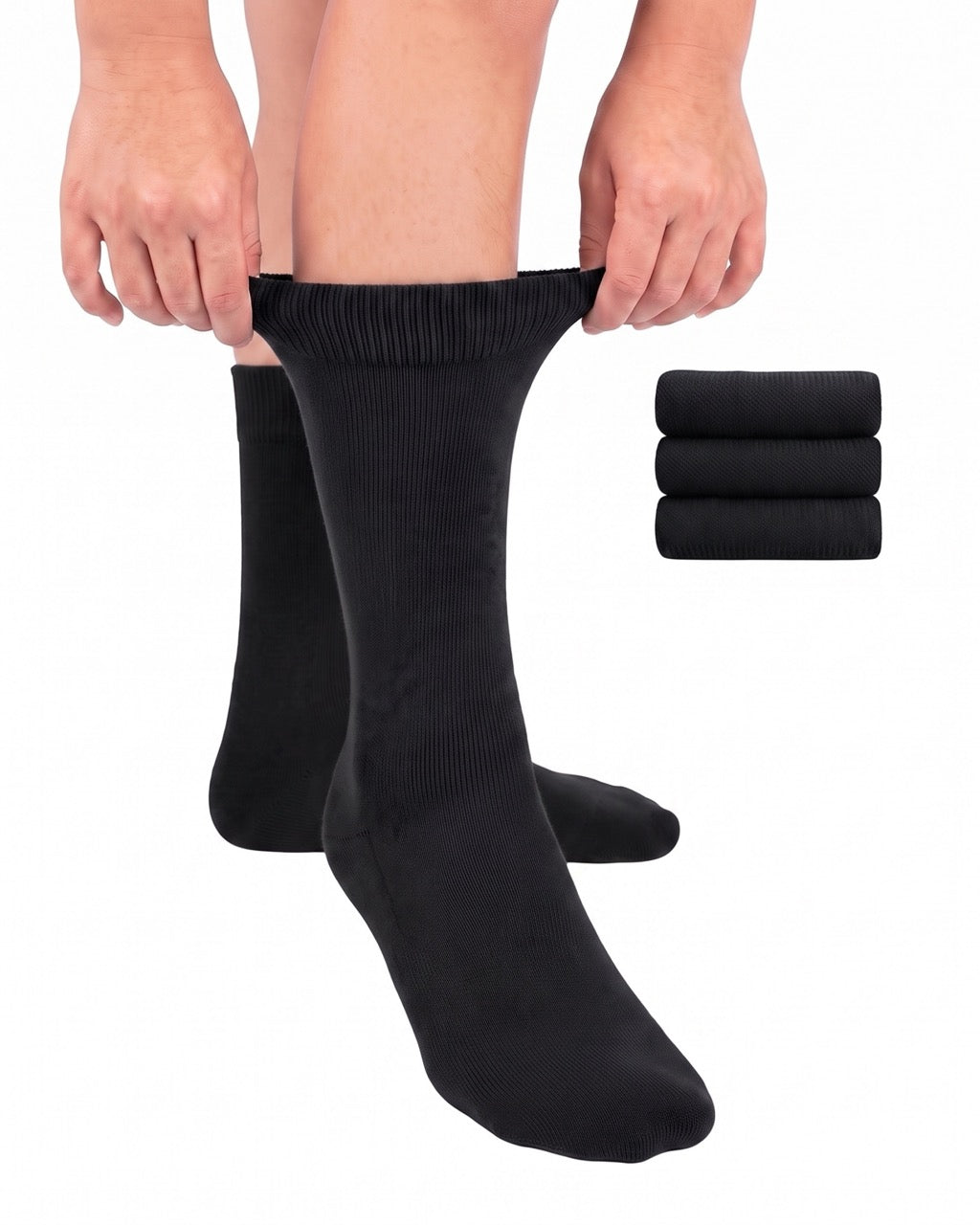
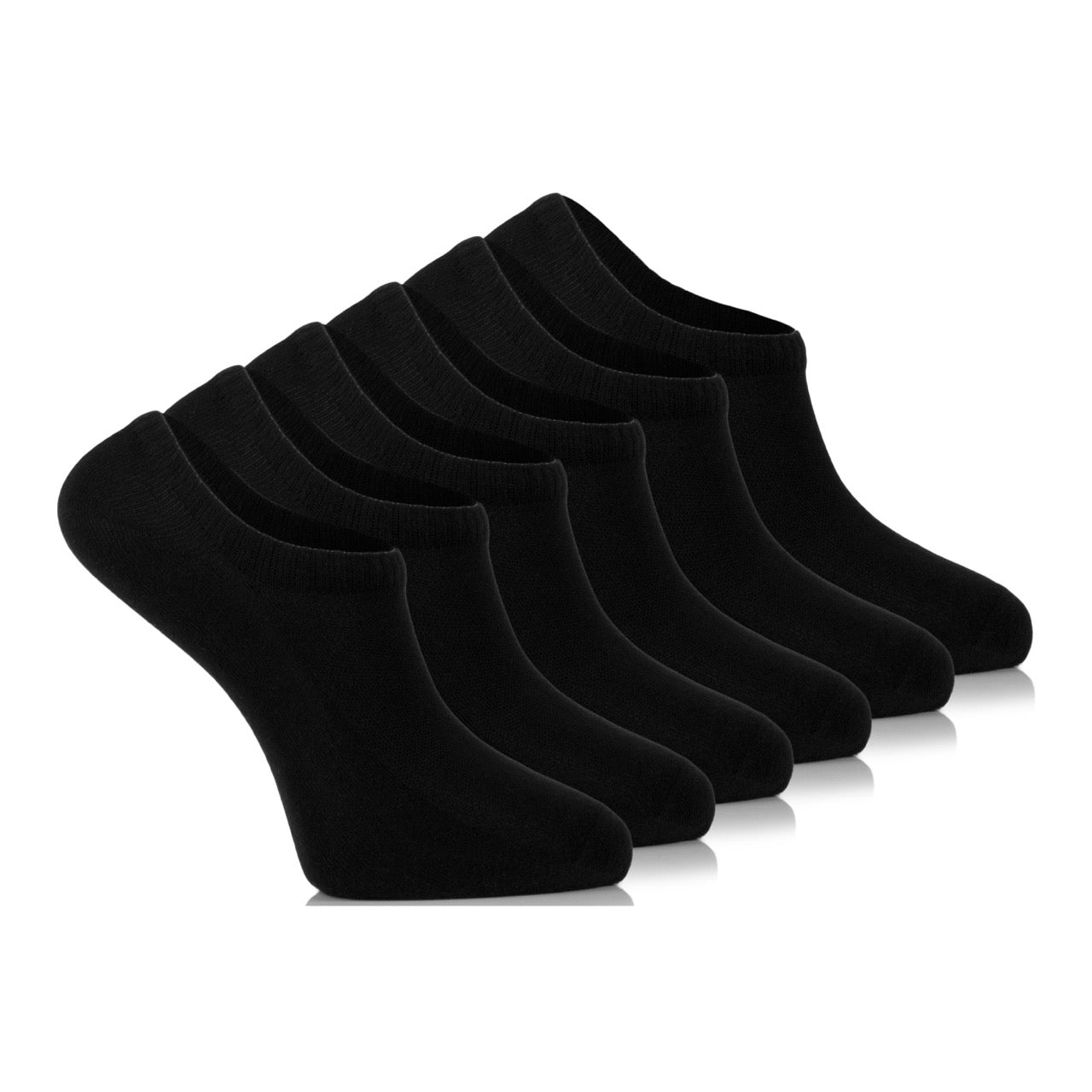
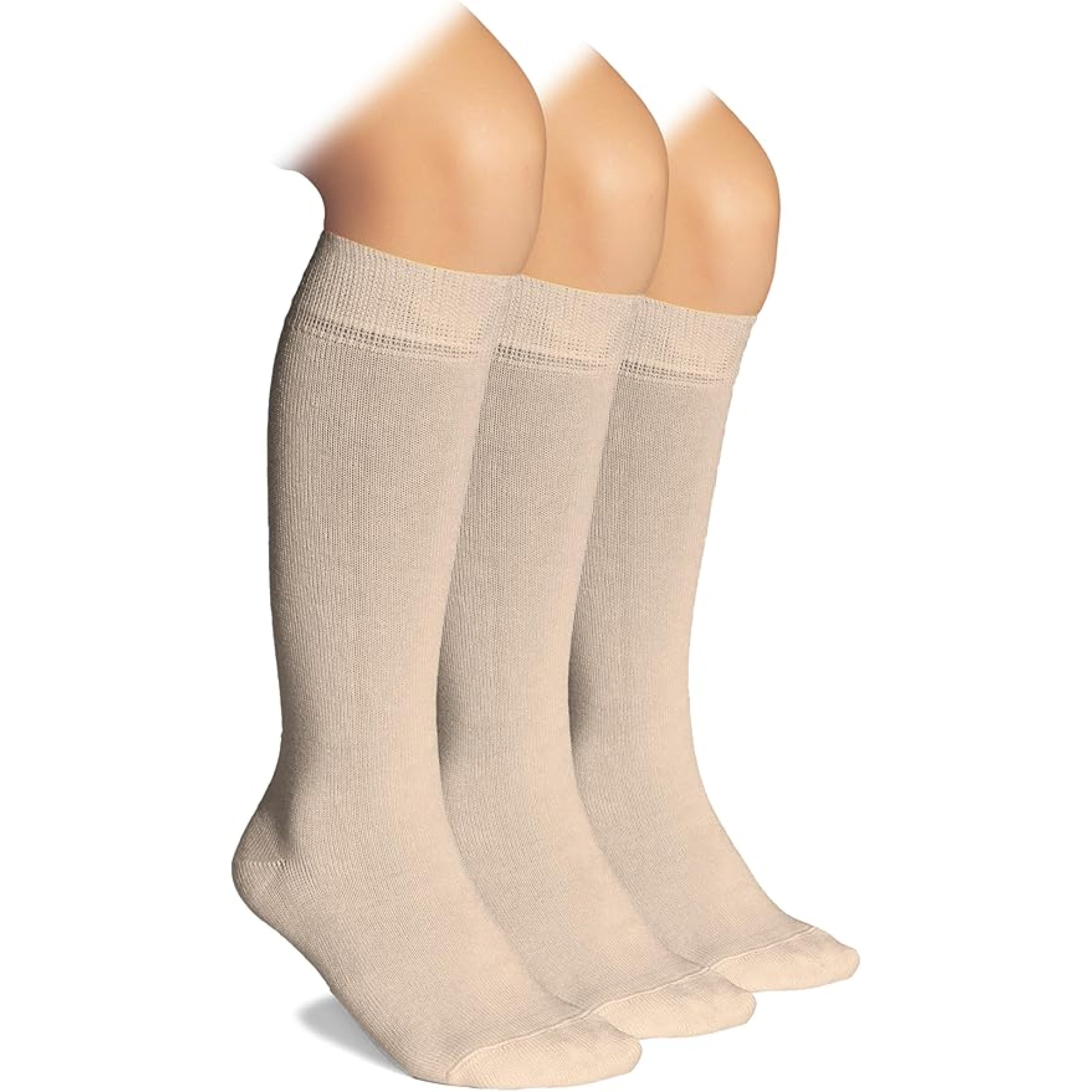


Socks feel tight around the calf when the elastic cuff is under more tension than the leg it sits on. Three things usually cause it: the sock is a size too small, the calf is wider than the design assumes, or the blend contains a high proportion of spandex or nylon that grips hard. The result is pressure, a visible indentation and sometimes mild swelling below the cuff. Choosing the right foot size, a softer stretch blend or a non-binding cuff generally settles the problem without the sock sliding down.
Key Takeaways
Many people have experienced the uncomfortable feeling of socks digging into their calves after wearing them for several hours. The marks left on the skin, the pressure around the leg, and the overall discomfort can make a simple pair of socks feel surprisingly restrictive. When socks are too tight, they can cause irritation and make daily activities less comfortable than they should be — and if you wear tight socks regularly, it's worth understanding what happens if your socks are too tight for too long.
The reason this happens is usually related to fit, material, and sock construction. Some socks are designed with tighter elastic bands to keep them in place throughout the day, but if the fit is not right for the wearer, the same feature can create excessive pressure around the calf.
Understanding why socks cut into the calf can help you choose socks that provide better comfort and support without feeling restrictive.
Most socks include an elastic cuff near the top that helps them stay in place. Without this elastic component, socks would slide down the leg while walking. However, the tension in this band can sometimes be too strong for certain leg shapes or sizes.
When the elastic band is too tight, it presses against the calf muscles and may feel like the socks are cutting into the skin. Over time, this pressure can become uncomfortable, especially during long periods of sitting or standing.
Although the pressure from tight socks usually does not cause serious problems for most people, socks cutting off circulation can contribute to temporary discomfort or swelling. In extreme cases, tight socks may also restrict blood flow slightly, which is why finding the right fit is important.
One of the most common reasons socks feel too tight is simply wearing the wrong size. Many people assume that socks are one-size-fits-all, but this approach does not always work well.
If the sock is designed for a smaller foot size or narrower leg, it will naturally stretch more when worn by someone with larger calves. This stretching increases tension in the elastic band and makes the sock feel tighter than intended.
Checking the sizing chart before buying socks can help prevent this issue. A properly sized pair of socks should comfortably fit the foot while also allowing enough flexibility around the calf.

Everyone's leg shape is different. Some people naturally have wider calves due to muscle structure, body type, or daily activity levels. For these individuals, standard socks may feel restrictive even if the foot size is correct.
This is particularly common among athletes, people who cycle frequently, or individuals who spend long hours walking. Larger calf muscles require socks with more stretch and a less restrictive cuff.
In these cases, choosing socks designed with relaxed tops or non-binding cuffs can significantly improve comfort.
The materials used in sock construction also influence how tight they feel around the calf. Socks made with high amounts of elastic fibers such as spandex or nylon tend to create stronger compression.
While this elasticity helps socks stay in place, it can also increase pressure if the design is too tight. Lower-elastic blends or fabrics with softer stretch properties may feel more comfortable for people who are sensitive to tight cuffs.
Additionally, thicker fabrics sometimes create extra pressure because they do not stretch as easily as lighter materials. When choosing socks, the balance between elasticity and softness plays an important role in comfort.
In most cases, socks feeling tight around the calf simply create mild discomfort rather than serious medical concerns. However, extremely tight socks may restrict blood flow slightly if they apply excessive pressure for long periods — for a full breakdown of the circulation, fatigue, and swelling effects this can cause over time, see what happens if your socks are too tight for too long.
This can sometimes lead to visible indentations on the skin or temporary swelling below the cuff. People who already experience poor circulation should pay particular attention to sock fit and avoid socks that feel overly restrictive.
Choosing socks with gentle cuffs helps maintain circulation while still keeping the socks securely in place.
For individuals who regularly experience tight socks, there are several alternatives designed specifically for improved comfort.
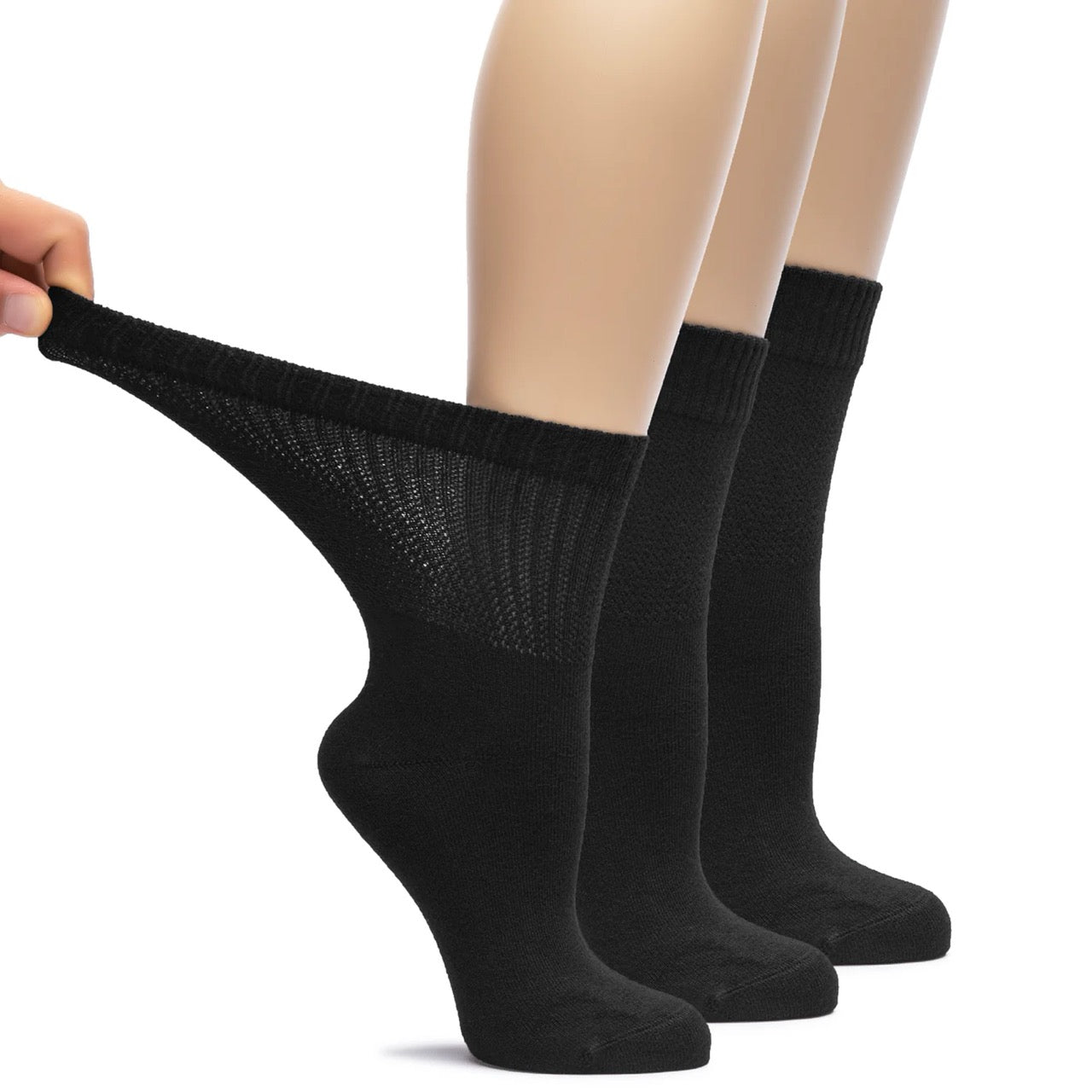
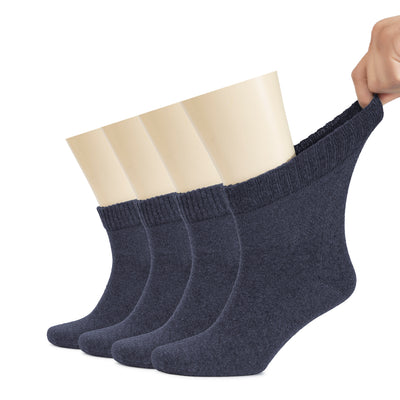
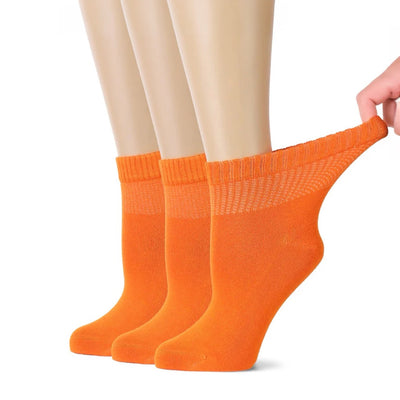
Diabetic socks are one option. These socks are designed with non-binding tops that avoid restricting blood flow while still staying in place. They are often made with moisture-wicking fabrics and seamless construction, which further improves comfort.
Compression socks represent another category. Unlike socks that are too tight by accident, compression socks apply controlled pressure intentionally to support circulation. These socks are often recommended for travel, long work shifts, or certain medical conditions.
The key difference is that compression socks use graduated pressure that is carefully designed, while regular socks that are too tight may create uneven pressure that feels uncomfortable.
If you frequently experience socks cutting into your calf, choosing the right pair can make a noticeable difference in daily comfort. Several factors should be considered when selecting socks.
Trying different styles can also help determine which designs work best for your leg shape and daily activities.
Socks that feel too tight around the calf are usually the result of incorrect sizing, strong elastic bands, or natural variations in leg shape. While socks are designed to stay in place, excessive tension in the cuff can create discomfort and sometimes leave visible marks on the skin.
Understanding how sock materials, sizing, and construction affect fit can help you choose socks that remain secure without feeling restrictive. For the complete picture of how prolonged pressure affects circulation, fatigue, and long-term comfort, read our full guide: What Happens If Your Socks Are Too Tight for Too Long? By selecting socks that properly match your foot size and calf shape, it is possible to avoid the sensation of socks cutting off circulation and enjoy greater comfort throughout the day.
If non-binding comfort is what you are after, browse our Diabetic Socks collection, including the Womens Cotton Diabetic Ankle Semi Cushion Socks and the Mens Cotton Diabetic Ankle Thin Socks, both designed with relaxed, non-binding cuffs. To learn more, read What Happens If You Wear Tight Socks Every Day and Is It OK to Wear Diabetic Socks If You Are Not Diabetic.
This article is for general information and is not medical advice. Talk to your healthcare provider about your own feet.
The elastic cuff is pressing into the skin, usually because the sock is a size small or your calf stretches the fabric past its intended fit.
Very tight cuffs can restrict flow slightly and feel uncomfortable. A correctly sized sock with a softer cuff reduces that.
Their non-binding cuffs stay up without squeezing, which many people with wider calves find more comfortable.
Check the size chart before buying and look for relaxed or non-binding cuffs rather than high-spandex blends.
No. Compression socks apply controlled, graduated pressure, while a sock that is simply too tight creates uneven pressure in one band.
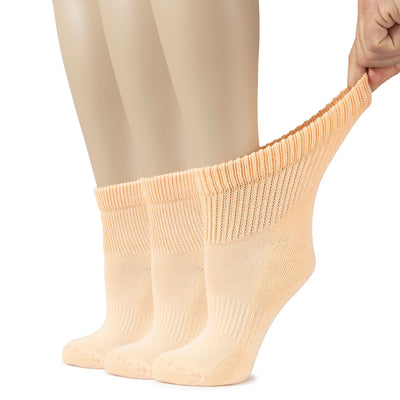
Discover All Hugh Ugoli Socks
Shop All Socks