Cart
0
You may also like


Socks pill when friction pulls loose fiber ends out of the yarn and twists them into small balls on the surface. Socks pill more than most clothes because they face constant rubbing in shoes, body weight, sweat and frequent washing, which is why pills appear first on the sole and heel. Short fibers, loosely twisted yarn, loose knits and high acrylic or polyester content all make pilling worse. To stop it, wash socks inside out on a cool, gentle cycle with similar fabrics, skip fabric softener, air dry or tumble on low, rotate pairs, and remove existing pills with a fabric shaver.
Key Takeaways
You buy a new pair of socks, wear them a handful of times, and suddenly the soles and heels are covered in tiny fuzzy balls. They feel rough, look worn and seem to appear faster on some socks than others. Those little balls are called pills, and pilling is one of the most common complaints about socks. It is also one of the most misunderstood.
Pilling isn't always a sign that a sock is badly made, and it isn't something you simply have to live with. It happens for specific reasons, some to do with the fiber and construction, and many to do with how socks are worn, washed and dried. This guide explains why socks pill, which fibers and constructions are more likely to do it, and the practical steps that slow it down and clean it up.
Pills are small balls of tangled fiber that form on the surface of fabric. They develop in a fairly predictable sequence:
That last step explains something that surprises many people: strong synthetic fibers often pill more visibly than natural fibers, because the pills can't break off.

Socks live a harder life than almost anything else in your wardrobe.
This is why pills almost always show up first on the sole, the heel and the ball of the foot: the areas under the most pressure and friction.
This is the biggest single factor. Yarns made from long fibers hold together better because each fiber is anchored along more of its length. Yarns made from short fibers have more loose ends, and loose ends are what pills are made from.
This is why long-staple cotton (such as combed or premium cotton) usually pills less than short-staple cotton, and why fine, long merino fibers tend to perform better than coarse, short wool.
Tightly twisted yarn holds fibers in place. Loosely twisted yarn, which often feels softer and fluffier at first, lets fibers work free more easily. Very soft, "cloud-like" socks can be the ones that pill fastest.
A dense, tight knit has less room for fibers to move around. A loose knit lets them shift and pull free with friction.
| Fiber | Pilling tendency | Why |
|---|---|---|
| Acrylic | High | Strong fibers and often short staple; pills form and don't fall off |
| Polyester blends | Moderate to high | Very strong fibers hold pills in place |
| Short-staple cotton | Moderate | More loose fiber ends |
| Long-staple / combed cotton | Lower | Longer, cleaner fibers with fewer loose ends |
| Wool | Moderate (varies) | Soft, fine wool can fuzz; pills often break off over time |
| Bamboo viscose | Moderate | Smooth fibers, but can fuzz with heavy friction |
| Nylon (reinforcement) | Low on its own | Strong, smooth; used to strengthen heels and toes |
No fiber is completely pill-proof. The goal is to choose well-constructed socks and then care for them in a way that slows the process down.
Most socks are blends: a main fiber like cotton, bamboo viscose or wool, plus smaller amounts of nylon for strength and elastane for stretch. A small amount of nylon at the heel and toe helps durability. Blends where a strong synthetic is mixed with a weak short fiber can pill noticeably, because the synthetic keeps the pills anchored. Our guide to reading a sock label explains how to interpret fiber content.
Washing socks with jeans, towels, or anything with zippers and Velcro creates extra abrasion. Towels also shed lint, which can tangle into sock fibers and add to pilling.
Hot water and long, aggressive wash cycles loosen fibers faster. A cooler, gentler cycle is kinder to sock fibers.
The dryer is a major source of friction. Socks tumble against each other and against other laundry for an extended time, often at high heat that weakens fibers and elastic.
Worn-out shoe linings, rough seams or damaged insoles create extra friction on the sole and heel. If one pair of shoes always seems to wreck your socks, look at the inside of the shoe.
Socks that get worn and washed constantly wear out faster. Rotating pairs spreads the wear.
For a broader look at the habits that shorten sock life, see 7 common mistakes that shorten the life of your socks.
This is the easiest single change. Turning socks inside out means the outer surface, the one you see, gets less friction during the wash. It also helps clean the inside, where sweat and skin cells collect.
Wash socks with other light- to medium-weight items rather than towels, jeans or heavy sweatshirts. If you can, keep socks in a mesh laundry bag.
For most everyday socks, cool or warm water gets them clean with less stress on the fibers. Hot water is rarely necessary for normal wear.
Less time in the drum means less friction. A delicate or quick cycle is usually enough for socks.
Too much detergent can leave residue that stiffens fibers. Follow the dosage guidance, and consider a mild liquid detergent.
Fabric softener coats fibers. It can reduce elastic recovery in the cuff and leave residue on the fabric. Most socks do fine without it.
Air drying is the gentlest option. Lay socks flat or hang them by the toe. If you use a dryer, choose low heat and take the socks out promptly.
Having more pairs in rotation means each pair gets washed less often. Buying multipacks of the same style also means you can replace individual pairs without breaking a matched set.
Replace insoles or shoes that have rough, torn or worn linings. They can wear through even good socks quickly.
If your socks already have pills, you can often clean them up.
An electric fabric shaver is the most effective tool. Lay the sock flat over your hand or a flat surface, keep the fabric taut, and move the shaver gently in small circles. Don't press too hard, especially on thin socks.
These work well on thicker socks, especially wool. Use light, short strokes in one direction.
A clean razor can remove pills from thicker socks. Stretch the fabric over a curved surface and use light strokes. This carries a risk of cutting the fabric, so it is best as a last resort.
These pick up loose fuzz but don't remove anchored pills well. Useful for a quick tidy-up.
A note of caution: every time you de-pill, you remove a small amount of fiber. Occasional de-pilling is fine. If a sock needs it constantly, the fabric is thinning and the sock is nearing the end of its life.
Care makes a big difference, but starting with a better-made sock helps too. When you shop, look for:
Our guide on how to tell if socks are high quality before buying them covers the in-store checks in more detail.
Price is a loose guide at best. A premium sock made from very soft, loosely spun fiber can pill faster than a mid-priced sock made from long-staple cotton with a tight knit. Construction matters more than the price tag.
For most everyday socks, a normal warm wash with detergent gets them clean. Very hot water mainly speeds up fiber breakdown and weakens the elastic in the cuff. If you have a specific hygiene concern, such as a fungal foot infection, follow the advice of your doctor or pharmacist for those particular pairs.
Not at all. Light pilling is mostly cosmetic and can be cleaned up with a fabric shaver. The sock is only finished when the fabric underneath is thinning or the shape and cuff are gone.
Not necessarily. Some light fuzzing on the sole after a few weeks of regular wear is normal for most natural-fiber socks, and it often settles down. Soft, natural fibers like cotton and wool can show early surface fuzz and then stabilize. What is worth paying attention to:
Pilling on its own is mostly cosmetic. But when pilling comes with other signs, it is usually time for a new pair:
For a sense of how long socks should last with good care, see our guide on how many washes a good pair of socks should last.
If you have sensitive skin or reduced sensation in your feet, it is worth being a little stricter about replacing heavily pilled socks. Rough patches and clumps of fiber on the sole create friction points, and for people with neuropathy those points may not be noticed.
Socks pill because of friction acting on loose fiber ends, and socks face more friction than almost any other piece of clothing. Fiber length, yarn twist, knit density and fiber type determine how prone a sock is to pilling. Washing, drying and shoe choice determine how fast it happens. Start with a well-made sock, wash it inside out and gently, keep it out of the hot dryer, and rotate your pairs, and you'll see far fewer pills and get far more wear from every pair.
Explore our bamboo socks for women, bamboo socks for men and wool socks for women to find pairs worth taking care of.
Fast pilling usually comes from short fibers, loosely twisted yarn, a loose knit or high acrylic content, combined with friction from shoes and rough washing. Washing with towels or jeans and hot tumble drying speed it up.
Turn socks inside out, wash them with similar light fabrics or in a mesh bag, use cool or warm water on a gentle cycle, skip fabric softener, and air dry or tumble dry on low heat.
Long-staple or combed cotton and well-made merino wool tend to pill less than acrylic, polyester-heavy blends or short-staple cotton. A dense knit and reinforced heel and toe also help.
An electric fabric shaver is the most effective tool. Lay the sock flat, keep the fabric taut and move the shaver gently. A sweater comb works well on thicker wool socks.
Not always. Light fuzzing on the sole after regular wear is normal for many natural fibers. Heavy pilling after one or two washes, or pills that keep coming back, usually points to short fibers or a loose construction.
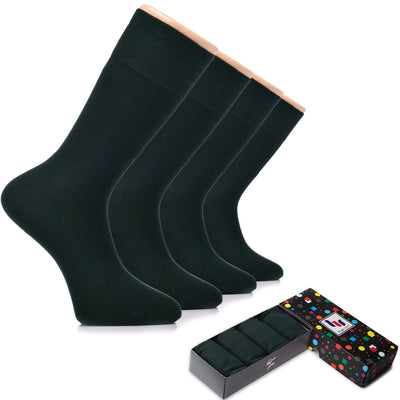
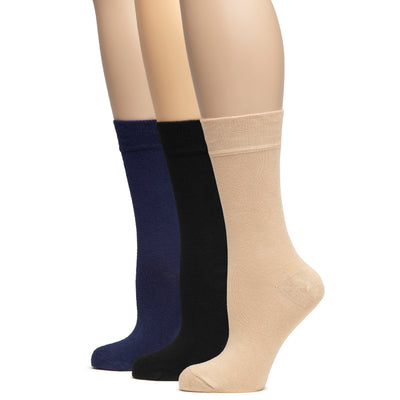

Discover All Hugh Ugoli Socks
Shop All Socks